Gardening Doesn't Have to Be Complicated if You Know What You're Doing
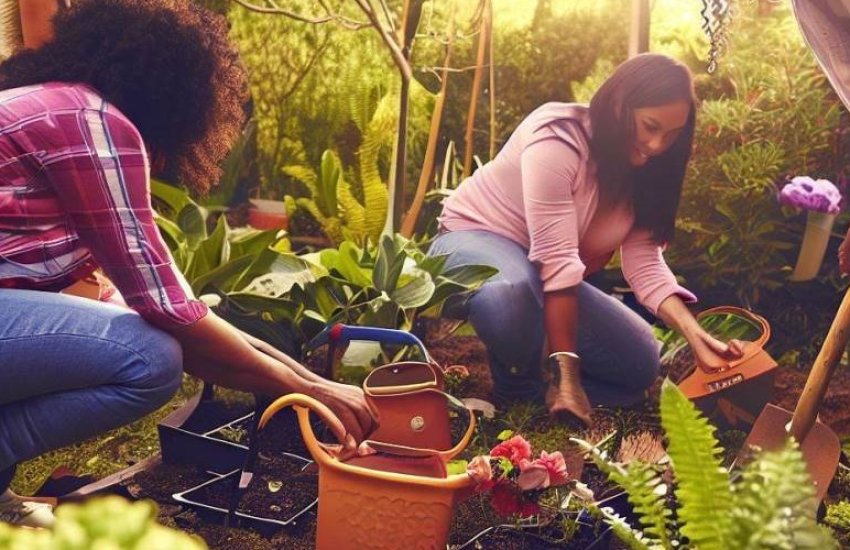
With just a bit of practical knowledge and the right tools, anyone can create a lush, vibrant garden space. Whether you're tending to houseplants, nurturing a vegetable patch, or crafting a backyard oasis, understanding a few fundamental tips can simplify the entire process. At GardenBotany.com, we're here to guide you every step of the way, making gardening enjoyable, stress-free, and accessible for everyone, from complete beginners to seasoned gardeners looking to perfect their green thumbs.
Latest Gardening Posts and Plant Care Tips
-

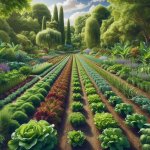
How to Create a Garden Layout for Maximum Yield?
Creating a garden that maximizes yield is about making smart decisions from the ground up. Whether you’re an experienced gardener or just starting out, a well-designed garden layout can make a huge difference in how much produce you can grow in a given space. Using strategies like companion planting, vertical gardening, and optimizing plant spacing, you can create a garden that thrives while producing a bountiful harvest.
-
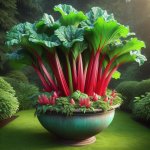
How to Grow Rhubarb in Containers?
Rhubarb is a beautiful, perennial plant prized for its vibrant red stalks and tart flavor. Though traditionally grown in garden beds, container gardening is becoming a popular option for people who have limited space. Fortunately, rhubarb grows well in large containers, making it accessible to those with patios, balconies, or small urban spaces. This guide will take you through everything you need to know to successfully grow rhubarb in a container, from selecting the right container and soil to caring for your plant through the seasons. Let’s dig in!
-
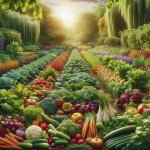
Seasonal Planting Guide for Vegetable Gardeners
This seasonal planting guide for vegetable gardeners provides tailored advice on when to sow and plant various vegetables throughout the year, maximizing your garden's yield and ensuring continuous harvests. Understanding your local climate and frost dates is crucial for successful timing and bountiful results in your vegetable garden.
-
How to Start a Worm Composting Bin?
To start a worm composting bin, choose an appropriate bin, select the right type of composting worms (Red Wigglers), prepare suitable bedding, introduce your worms, and begin feeding them appropriate food scraps. This method, also known as vermicomposting, efficiently transforms organic waste into nutrient-rich fertilizer.
-
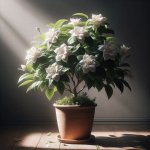
How to Care for Gardenias Indoors?
Caring for gardenias indoors requires close attention to their specific needs for light, humidity, consistent moisture, and acidic soil. Providing these conditions will help these beautiful, fragrant plants thrive in your home environment.
-
Best Practices for Vertical Gardening on Balconies
To maximize your harvest in vertical gardening on balconies, select lightweight, space-saving structures, choose plants suitable for vertical growth and your balcony's light conditions, and implement efficient watering and fertilization strategies. Prioritizing weight limits and wind protection is crucial for safety and success.
-
How to Make Natural Insect Repellent for Gardens?
You can make natural insect repellent for gardens by utilizing common ingredients like essential oils, soap, garlic, and hot peppers to create sprays that deter pests without harming plants, beneficial insects, or the environment. These homemade solutions offer an organic and sustainable approach to pest management.
-
How to Use Companion Planting for Pest Control?
To use companion planting for pest control, you strategically place different plant species near each other to create beneficial interactions that deter pests, attract beneficial insects, or improve plant health. This natural gardening technique helps reduce reliance on chemical pesticides and fosters a healthier, more balanced garden ecosystem.
-
Best Native Plants for Drought-Resistant Landscaping
The best native plants for drought-resistant landscaping are those naturally adapted to your specific region's climate, requiring minimal supplemental water once established. These plants offer not only water-saving benefits but also enhance local biodiversity, providing habitat and food for native wildlife while creating a beautiful, sustainable landscape that thrives without excessive irrigation.
-
How to Grow Organic Strawberries at Home?
Growing organic strawberries at home is a rewarding way to enjoy delicious, chemical-free fruit straight from your garden. Strawberries are one of the most popular fruits for home gardeners and are relatively easy to grow with the right approach. They can be grown in the ground, containers, or even hanging baskets, making them versatile enough for any space.