Gardening Doesn't Have to Be Complicated if You Know What You're Doing

With just a bit of practical knowledge and the right tools, anyone can create a lush, vibrant garden space. Whether you're tending to houseplants, nurturing a vegetable patch, or crafting a backyard oasis, understanding a few fundamental tips can simplify the entire process. At GardenBotany.com, we're here to guide you every step of the way, making gardening enjoyable, stress-free, and accessible for everyone, from complete beginners to seasoned gardeners looking to perfect their green thumbs.
Latest Gardening Posts and Plant Care Tips
-

How Do I Propagate Pothos Plants Indoors?
Pothos plants, often celebrated for their easy-going nature and trailing beauty, are among the most popular houseplants, gracing homes and offices with their vibrant foliage. One of their most appealing characteristics is how incredibly simple they are to multiply, allowing you to create new plants from existing ones, share with friends, or fill out a bushier display. Learning how to propagate Pothos plants indoors is a rewarding skill for any plant enthusiast, transforming a single vine into a thriving collection with minimal effort. This guide will walk you through the various propagation methods, offering practical tips for success.
-
What Are the Best Indoor Plants for Air Purification?
Creating a healthier indoor environment doesn't always require expensive air filters. The natural beauty of houseplants can also play a significant role in improving air quality. If you're wondering what are the best indoor plants for air purification, you're tapping into decades of research, notably from NASA, that highlights certain species' remarkable ability to filter common airborne toxins. Incorporating these green allies into your home is a beautiful and effective way to breathe a little easier.
-
What is the Best Irrigation Method for Raised Beds?
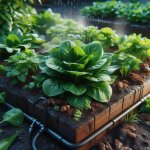
For gardeners embracing the benefits of elevated growing spaces, understanding what is the best irrigation method for raised beds is a critical consideration. Raised beds offer superior drainage and soil control, but their unique characteristics also mean they can dry out faster than in-ground gardens. Choosing the right watering technique ensures your plants receive consistent moisture, promoting robust growth and bountiful harvests while conserving water.
-
How to Prevent Pests in a Raised Bed Garden?
Growing vegetables, herbs, and flowers in a raised bed garden offers numerous advantages, from better drainage and warmer soil to easier access and control over soil quality. However, even these elevated havens aren't immune to unwanted visitors. Learning how to prevent pests in a raised bed garden is crucial for ensuring healthy, abundant harvests without resorting to harsh chemicals. By implementing smart strategies from the very beginning, you can create a thriving ecosystem that deters common garden invaders.
-
Can I Use Compost in a Raised Garden Bed?
Absolutely, can I use compost in a raised garden bed? Not only can you, but incorporating high-quality compost is one of the best ways to create a thriving and productive growing environment. Compost enriches the soil, improves its structure, and provides a slow-release source of nutrients, making it an ideal ingredient for filling new raised beds or rejuvenating existing ones. It's a cornerstone of healthy soil and a boon for your plants.
-
What are the Benefits of Raised Bed Gardening?
Raised bed gardening offers a multitude of advantages for gardeners of all experience levels, transforming challenging soil conditions into fertile growing spaces and making gardening more accessible and productive. These elevated structures provide a controlled environment that significantly improves soil quality, drainage, and overall plant health, leading to more abundant harvests. Whether you're dealing with poor native soil, limited space, or physical limitations, understanding the many benefits of raised garden beds can help you create a thriving and enjoyable gardening experience. This comprehensive guide explores why so many gardeners are embracing this versatile method, highlighting its impact on soil, water, pests, and even your body.
-
How to Maintain Soil Quality in a Raised Bed Garden?
A thriving raised bed garden relies fundamentally on the health and vitality of its growing medium. Learning how to maintain soil quality in a raised bed garden is paramount for ensuring consistent, bountiful harvests year after year. Unlike in-ground plots, raised beds require a more intentional approach to soil management, as their contained environment and intensive planting styles mean nutrients can deplete and structure can degrade more quickly. This guide will walk you through essential practices to keep your raised bed soil rich, fertile, and productive for the long term.
-
What Vegetables Grow Best in Raised Beds?
Raised beds offer an ideal growing environment for a wide variety of vegetables due to superior soil control, drainage, and warmth. Most edibles thrive, particularly root vegetables, leafy greens, and plants that appreciate consistent moisture and rich, loose soil.
-
How Deep Should a Raised Garden Bed Be?
Building a raised garden bed offers numerous benefits, from improved drainage and soil quality to easier access and pest control. However, a common question often arises before construction begins: how deep should a raised garden bed be to truly maximize its potential? The ideal depth isn't a one-size-fits-all answer; it depends on what you plan to grow and your specific gardening goals. Understanding the various factors involved will help you design a raised bed that supports thriving plants and simplifies your gardening experience.
-
What Materials Are Best for Building a Raised Garden Bed?
Building a raised garden bed is an excellent way to elevate your gardening game, offering benefits like better drainage, warmer soil, and easier access. However, before you even break ground, one of the most crucial decisions you'll make is selecting the right construction material. The durability, cost, aesthetics, and safety of your garden bed all hinge on this choice. Understanding what materials are best for building a raised garden bed will help you create a long-lasting, productive, and beautiful growing space tailored to your needs and budget.