Gardening Doesn't Have to Be Complicated if You Know What You're Doing
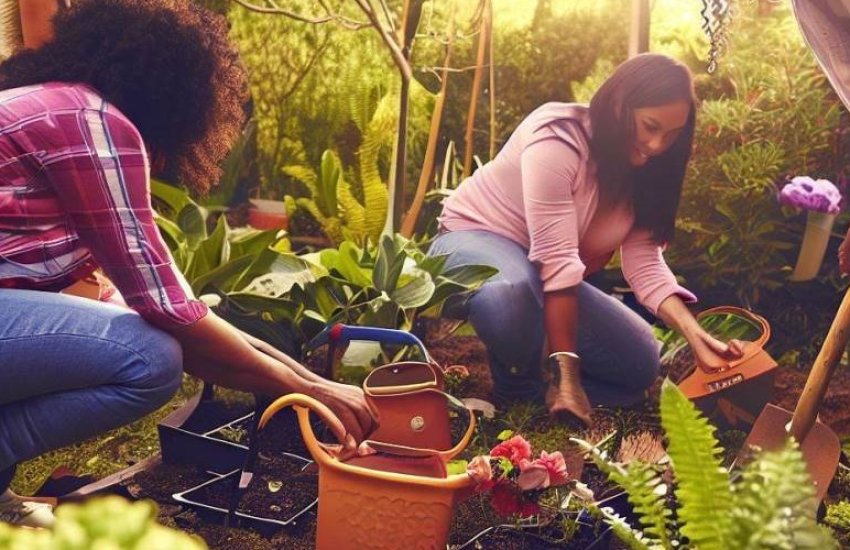
With just a bit of practical knowledge and the right tools, anyone can create a lush, vibrant garden space. Whether you're tending to houseplants, nurturing a vegetable patch, or crafting a backyard oasis, understanding a few fundamental tips can simplify the entire process. At GardenBotany.com, we're here to guide you every step of the way, making gardening enjoyable, stress-free, and accessible for everyone, from complete beginners to seasoned gardeners looking to perfect their green thumbs.
Latest Gardening Posts and Plant Care Tips
-

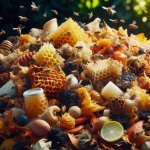
Best Composting Techniques for Beekeepers: Using Wax & Honeycomb
For many beekeepers, the harvest of honey is a sweet reward, but it often leaves behind a significant byproduct: beeswax and discarded honeycomb. While beeswax holds its own value for candles, salves, or crafts, not all honeycomb is suitable for rendering, particularly old, dark comb or comb that's been damaged or deemed unsuitable for re-use by the bees. Instead of letting this valuable organic material go to waste, a fascinating and eco-friendly solution emerges through the world of composting. Integrating beeswax and honeycomb into a compost system not only reduces waste but can also contribute to a richer, more diverse soil amendment for your garden.
-
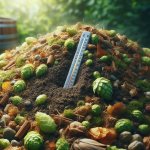
How Can I Compost Brewery Waste Like Spent Grains and Hops?
For home brewers, the joy of crafting your own beer often comes with a significant byproduct: brewery waste, primarily spent grains and hops. While these materials might seem like just waste, they are actually packed with organic matter and nutrients, making them a fantastic, often overlooked, resource for your garden. Instead of sending them to a landfill, you can transform these brewing leftovers into nutrient-rich compost, enriching your soil and nurturing your plants. It's a sustainable cycle that benefits both your brewing hobby and your green thumb.
-
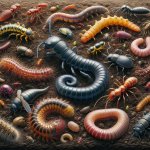
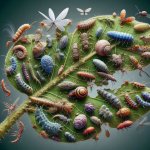
Insects in Soil Identification: Beneficial and Harmful Bugs
Understanding the tiny inhabitants beneath our feet is a crucial aspect of successful gardening and farming. The soil is a bustling ecosystem, home to a diverse array of organisms, including countless insects. Learning about insects in soil identification can help you differentiate between the allies that enrich your soil and protect your plants, and the unwelcome guests that can cause damage. This knowledge empowers you to foster a healthy, thriving garden environment without resorting to harmful chemicals.
-
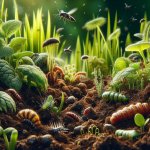
Soil Bugs Identification: Know the Good from the Bad
Discovering tiny inhabitants in your garden or potted plants can be unsettling, but when it comes to soil bugs identification, understanding which creatures are allies and which are adversaries is key to a flourishing garden. The soil is a bustling ecosystem, teeming with microscopic and macroscopic life, and most of these tiny organisms are actually beneficial or harmless. This guide will help you decipher the complex world beneath your plants, enabling you to know the good from the bad and fostering a healthy soil environment.
-
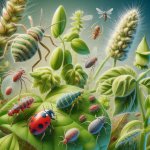
Garden Bugs Identification: Recognize and Control Pests
Spotting unwanted guests nibbling on your precious plants can be frustrating. Mastering garden bugs identification is the first crucial step to effectively recognize and control pests, ensuring your garden remains a vibrant sanctuary for desirable life, rather than a buffet for destructive insects. This comprehensive guide will equip you with the knowledge to pinpoint common garden intruders and implement eco-friendly strategies to manage them.
-
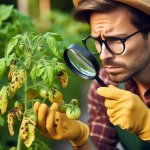
Plant Disease Identifier: Diagnose and Fix Plant Problems
Becoming a proficient plant disease identifier is a crucial skill for any gardener, enabling you to swiftly diagnose and effectively address issues impacting your cherished plants. Observing changes in foliage, stems, or overall vigor can signal a wide array of problems, from nutrient deficiencies and environmental stress to fungal infections, bacterial diseases, or viral attacks. Early detection and accurate diagnosis are paramount, as prompt action can often prevent a minor ailment from escalating into a widespread devastation. This comprehensive guide will equip you with the knowledge to recognize common plant problems, understand their underlying causes, and implement appropriate solutions to restore your plants to their vibrant health.
-
Plant Disease Identification: Spot and Treat Plant Issues
The vibrant tapestry of a healthy garden or a thriving indoor plant collection brings immense joy, but occasionally, that joy is dampened by the appearance of unsightly spots, wilting leaves, or a general decline in plant vigor. These unwelcome changes often signal the presence of a plant disease. Mastering plant disease identification is a cornerstone of effective gardening, enabling you to quickly spot common plant issues and implement appropriate treatments to restore your green companions to full health. This comprehensive guide will equip you with the knowledge to become a plant detective, ready to tackle a range of common ailments.
-
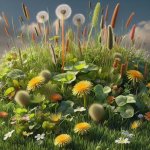
How to Identify Lawn Weeds: Common Types and Solutions
Maintaining a pristine lawn often feels like a continuous battle against unwanted invaders. Learning how to identify lawn weeds is the pivotal first step in effectively controlling these persistent plants and restoring the lush, uniform appearance of your turf. By distinguishing between common types and understanding their growth habits, you can select the most appropriate and successful solutions for a healthier, weed-free lawn.
-
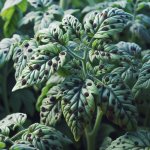
Identify Garden Pests: A Comprehensive Visual Guide
Imagine your favorite tomato plant looking lush and green one day, and the next, its leaves are curled, or holes are appearing out of nowhere. Your first thought might be, "Oh no, pests!" But simply knowing you have pests isn't enough. Just like a doctor needs to know what illness you have before prescribing medicine, a gardener needs to accurately identify garden pests before choosing a treatment.
-
Why Are My Pumpkins Turning Yellow? A Gardener's Guide
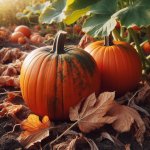
There's nothing quite like the excitement of growing your own pumpkins. You plant the seeds, watch the vines spread, and eagerly wait for those big, orange gourds to appear. But sometimes, a disheartening sight appears: your pumpkin leaves or even the young pumpkins themselves start turning yellow. It's a common problem that can leave any gardener scratching their head. Why is this happening, and what can you do about it?