Gardening Doesn't Have to Be Complicated if You Know What You're Doing
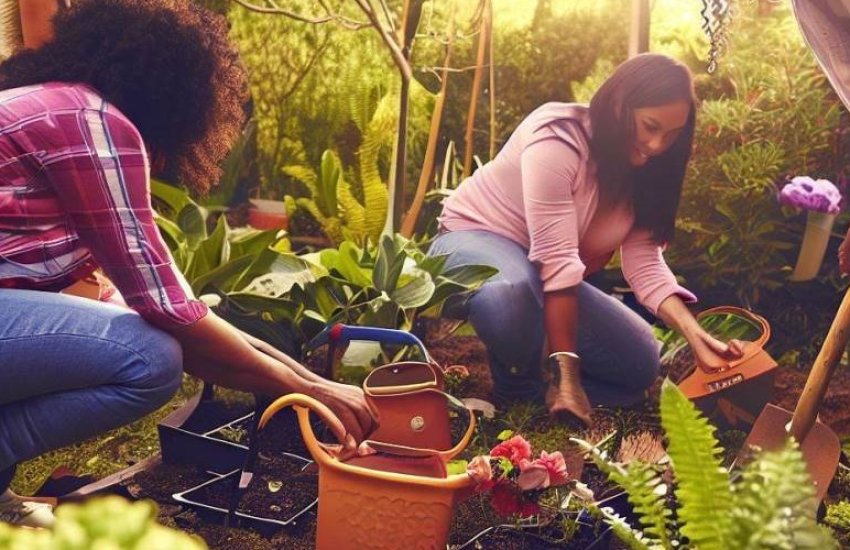
With just a bit of practical knowledge and the right tools, anyone can create a lush, vibrant garden space. Whether you're tending to houseplants, nurturing a vegetable patch, or crafting a backyard oasis, understanding a few fundamental tips can simplify the entire process. At GardenBotany.com, we're here to guide you every step of the way, making gardening enjoyable, stress-free, and accessible for everyone, from complete beginners to seasoned gardeners looking to perfect their green thumbs.
Latest Gardening Posts and Plant Care Tips
-

How Do I Choose the Right Gardening Tools for My Garden Size?
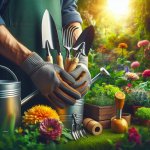
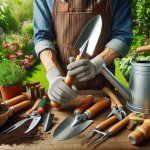
Embarking on a gardening journey, whether it's tending a sprawling backyard oasis or nurturing a cozy balcony container haven, starts with the right equipment. Just as a chef needs specific utensils for different dishes, a gardener benefits immensely from selecting tools that align with the scale and demands of their green space. Understanding how to choose the right gardening tools for your garden size is crucial for efficiency, comfort, and ultimately, gardening success. Armed with the appropriate spades, pruners, and cultivators, you'll find joy in tasks that might otherwise feel like a chore, ensuring your efforts are both productive and enjoyable. This guide breaks down the essential tools for every garden size, from compact urban plots to expansive rural landscapes.
-
What Are the Must-Have Tools for Beginner Gardeners?
Starting a garden is an incredibly rewarding journey. There's a unique satisfaction in nurturing tiny seeds into thriving plants, watching vibrant blooms emerge, or harvesting fresh, delicious vegetables right from your own backyard. It connects you with nature, offers a peaceful escape, and adds beauty to your home. While the idea of a lush garden might seem daunting at first, especially when faced with rows of specialized equipment at the garden center, the truth is, you don't need a shed full of complex gadgets to begin.
-
How Do I Compost Feathers, Wool, and Other Animal By-Products in a Sustainable Way?
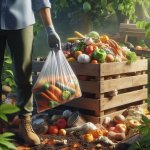
Transforming everyday animal by-products like feathers, wool, and even hair into nutrient-rich soil amendments is an advanced, yet incredibly rewarding, aspect of composting. While many guides focus on kitchen scraps and yard waste, understanding how to compost feathers, wool, and other animal by-products opens up new avenues for reducing waste and enriching your garden in a truly sustainable way. This guide will delve into the specifics, offering practical steps and insights for successfully incorporating these unique materials into your composting routine.
-
What Are the Benefits of Composting for Viticulture and Organic Wine Production?
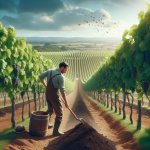
Exploring what are the benefits of composting for viticulture and organic wine production reveals a powerful synergy between sustainable vineyard management and the creation of high-quality, environmentally friendly wines. In an era where consumers increasingly value traceability and ecological practices, compost stands out as a cornerstone of organic and biodynamic viticulture. Far beyond mere waste disposal, integrating compost into vineyard practices enriches the soil, strengthens grapevines, and ultimately contributes to the unique character and health of the resulting wine, all while minimizing environmental impact.
-
How Can I Create a Closed-Loop Composting System for a Food Forest?
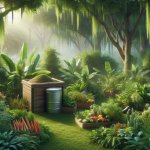
Developing a closed-loop composting system for a food forest is a cornerstone of truly sustainable and regenerative gardening. This method focuses on recycling all organic matter generated within and around your food forest back into the soil, minimizing waste and maximizing nutrient cycling. By creating a self-sustaining cycle where organic materials break down to nourish the very plants that produced them, you enhance soil fertility, reduce the need for external inputs, and build a robust, resilient ecosystem. This comprehensive guide will explore various techniques and strategies to establish an efficient composting system tailored to the unique needs of a food forest, ensuring continuous soil enrichment and vibrant plant growth.
-
Can I Compost Biodegradable Plastics, and What Are the Limitations?
Navigating the world of biodegradable plastics and their end-of-life options, particularly composting, can be quite complex. Many consumers wonder if these innovative materials can truly break down in their backyard compost piles or if they require specialized industrial facilities. Understanding the nuances of what makes a plastic "biodegradable" and the specific conditions needed for its decomposition is essential to determine whether you can compost biodegradable plastics effectively and what limitations you might encounter.
-
What Are the Best Practices for Composting Horse Manure in Equestrian Facilities?
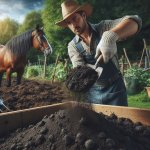
For any equestrian facility, effectively managing and transforming a byproduct like horse manure into a valuable resource is a cornerstone of sustainable operation. Implementing the best practices for composting horse manure not only addresses waste disposal challenges but also yields a nutrient-rich soil amendment beneficial for gardens, pastures, and agricultural land. This eco-friendly approach minimizes environmental impact while creating a reusable, high-quality product.
-
How Can I Compost Seaweed and Other Coastal Plant Materials?
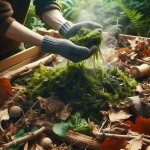
Leveraging the abundant resources of the coast for your garden offers an incredibly enriching and sustainable approach to soil amendment. Learning how to compost seaweed and other coastal plant materials unlocks a treasure trove of nutrients, transforming what might be considered waste into a powerful elixir for your plants. This guide delves into the unique properties of these marine and shoreline organics, providing practical strategies to harness their benefits and successfully integrate them into your composting efforts for a thriving, vibrant garden.
-
Johnson-Su Bioreactor Composting: Benefits for Microbial Life in Soil
For gardeners and farmers striving for superior soil health and increased plant resilience, traditional composting methods sometimes fall short in fostering a truly diverse and abundant microbial community. This is where the Johnson-Su bioreactor composting: benefits for microbial life in soil comes into its own. This innovative, low-maintenance composting system specifically aims to cultivate a rich ecosystem of beneficial microorganisms, which are the unsung heroes of fertile soil and robust plant growth.
-
How Can I Set Up a Composting Toilet for Off-Grid Living?
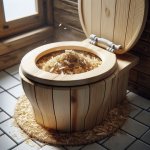
For anyone embracing off-grid living, learning how to set up a composting toilet is a foundational step towards complete independence from municipal utilities. These ingenious systems offer a sustainable and environmentally friendly alternative to traditional flush toilets, eliminating the need for vast amounts of water and complex septic systems. By transforming human waste into a harmless, soil-like material, a composting toilet not only closes a significant resource loop but also simplifies waste management in remote or self-sufficient homesteads.