Gardening Doesn't Have to Be Complicated if You Know What You're Doing

With just a bit of practical knowledge and the right tools, anyone can create a lush, vibrant garden space. Whether you're tending to houseplants, nurturing a vegetable patch, or crafting a backyard oasis, understanding a few fundamental tips can simplify the entire process. At GardenBotany.com, we're here to guide you every step of the way, making gardening enjoyable, stress-free, and accessible for everyone, from complete beginners to seasoned gardeners looking to perfect their green thumbs.
Latest Gardening Posts and Plant Care Tips
-

Pet-Friendly Houseplants: Keeping Your Furry Friends Safe and Happy
When choosing pet-friendly houseplants, it's crucial to select varieties that are non-toxic to cats and dogs to keep your furry friends safe and happy. Focus on plants known for their beauty and ease of care, ensuring they won't cause harm if nibbled or ingested by curious pets.
-
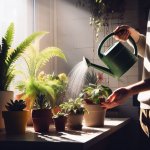
A Guide to Watering Houseplants: Understanding Their Unique Needs
To effectively water houseplants, it's crucial to understand their unique needs, recognizing that "overwatering" is usually about frequency and drainage, not just volume. Focus on checking soil moisture, providing thorough saturation when needed, ensuring proper drainage, and tailoring your approach to specific plant types and environmental conditions.
-
Houseplants and Mental Health: The Calming Benefits of Green Indoors
Houseplants positively impact mental health by offering numerous calming benefits, including reducing stress, improving focus, boosting mood, and fostering a sense of purpose and connection to nature. Their presence creates a tranquil, refreshing indoor environment that supports overall psychological well-being.
-
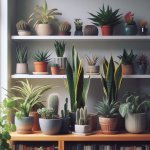
The Top 10 Low Maintenance Houseplants for Beginners
For beginners seeking low-maintenance houseplants, the top choices prioritize forgiveness in watering, adaptability to various light conditions, and general resilience against common issues. These plants thrive on a bit of neglect, making them perfect for those new to indoor gardening or with busy lifestyles.
-
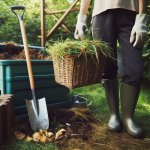
Odor-Free Composting: Tips to Keep Your Pile Fresh and Fragrant
For odor-free composting, the most critical tips are to maintain a balanced ratio of "greens" (nitrogen) to "browns" (carbon), ensure adequate aeration, and manage moisture levels diligently. A healthy compost pile, undergoing active aerobic decomposition, should consistently smell earthy and fresh, never foul.
-
Balancing Greens and Browns: The Secret Ratio for Perfect Compost
Balancing "greens" and "browns" is the secret ratio for perfect compost, typically aiming for a carbon-to-nitrogen (C:N) ratio of roughly 25-30 parts carbon to 1 part nitrogen. This specific balance provides the ideal "diet" for the microorganisms responsible for decomposition, ensuring a fast-working, odorless, and nutrient-rich compost pile.
-
Grass to Gold: Maximizing Your Lawn Clippings in Compost
Maximizing your lawn clippings in compost is a highly effective way to transform a common yard waste into nutrient-rich "black gold" for your garden. By understanding how to properly balance their high nitrogen content with carbon-rich materials, you can create an active, healthy compost pile that breaks down efficiently and enriches your soil.
-
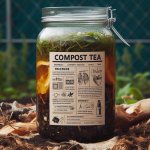
Tea Time for Plants: How to Make and Use Compost Tea
To make and use compost tea for your plants, you essentially brew finished compost in water, often with aeration and a food source, to extract and multiply beneficial microorganisms and water-soluble nutrients. This liquid concentrate can then be applied to plants as a gentle, natural fertilizer and a boost for soil and foliar health.
-
Composting with Worms: An Introduction to Vermicomposting
Composting with worms, known as vermicomposting, is an efficient and eco-friendly method of breaking down organic waste into a rich, nutrient-dense soil amendment using specific species of composting worms. It's an excellent way to reduce kitchen waste, create "black gold" for your garden, and can be done indoors year-round with minimal odor.
-
Composting in Cold Climates: Tips to Keep the Pile Active Year-Round
Composting in cold climates, while challenging, can be kept active year-round by focusing on insulation, maintaining a large pile size, managing moisture, and layering materials correctly. While decomposition will slow significantly in freezing temperatures, strategic preparation and management can prevent your compost pile from completely freezing solid and allow activity to resume quickly when warmer weather returns.