Gardening Doesn't Have to Be Complicated if You Know What You're Doing
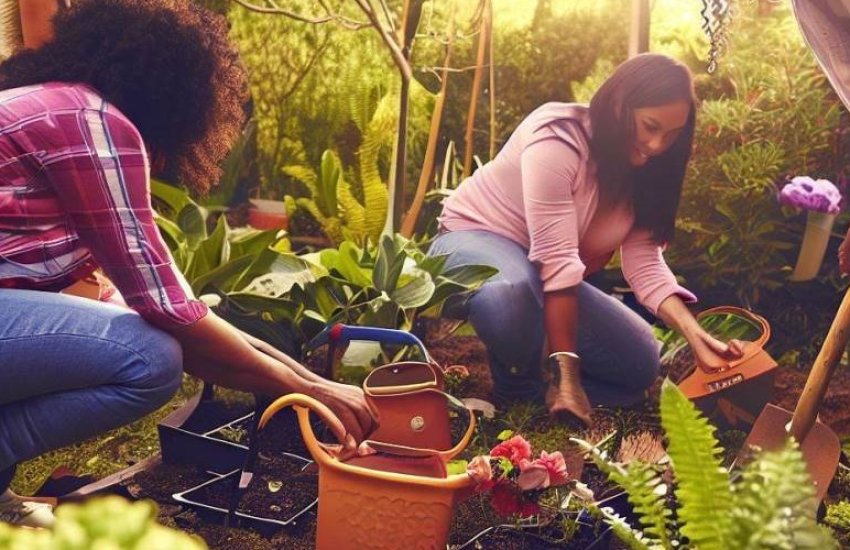
With just a bit of practical knowledge and the right tools, anyone can create a lush, vibrant garden space. Whether you're tending to houseplants, nurturing a vegetable patch, or crafting a backyard oasis, understanding a few fundamental tips can simplify the entire process. At GardenBotany.com, we're here to guide you every step of the way, making gardening enjoyable, stress-free, and accessible for everyone, from complete beginners to seasoned gardeners looking to perfect their green thumbs.
Latest Gardening Posts and Plant Care Tips
-

How to Create a Themed Garden with Matching Decor?
Creating a themed garden with matching decor involves selecting a central concept or style and then thoughtfully choosing plants, hardscaping, and decorative elements that consistently reinforce that theme. This holistic approach transforms a simple garden into a cohesive outdoor living space that tells a story and evokes a specific mood.
-
Best Outdoor Wall Art for Garden Spaces
To select the best outdoor wall art for garden spaces, prioritize pieces made from durable, weather-resistant materials like metal, treated wood, or outdoor-grade canvas that can withstand UV exposure, moisture, and temperature fluctuations. Consider how the art complements your garden's aesthetic, scale, and existing features to create a cohesive and captivating outdoor living area.
-
How to Add a Fire Pit to Your Garden Decor?
To add a fire pit to your garden decor, begin by selecting the right type and location based on safety, aesthetics, and intended use, then enhance the surrounding area with comfortable seating, lighting, and complementary landscaping. A fire pit transforms your outdoor space into a cozy, inviting gathering spot.
-
Advertisement
-
Creative Ideas for Repurposing Old Furniture in Your Garden
Many gardeners and DIY enthusiasts frequently seek ways to add character and functionality to their outdoor spaces. A common thought is to transform items no longer serving their original indoor purpose. The idea of giving old furniture a new life in the garden sparks creativity.
-
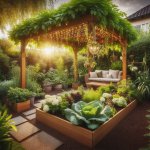
How to Make a DIY Garden Canopy for Summer?
Summer is a fantastic time for gardening, but intense heat and relentless sun can be a double-edged sword. While many vegetables crave sunshine, too much direct, scorching sun can stress plants, lead to sunscald on fruits, and even cause premature bolting in leafy greens. This is where a garden canopy becomes your plants' best friend. Providing shade during the hottest parts of the day can make all the difference, especially for sensitive crops. Instead of buying an expensive pre-made structure, you can easily make a DIY garden canopy for summer using common materials. This guide will show you several simple, effective, and customizable ways to provide essential shade, ensuring your organic garden thrives even when the sun is blazing.
-
How to Use Banana Peels as Organic Fertilizer?
To use banana peels as organic fertilizer, you can chop them and bury them directly in the soil, steep them in water to create a liquid feed, or incorporate them into your compost pile. These methods leverage the peels' rich potassium content to promote healthy plant growth, flowering, and fruiting in an eco-friendly way.
-
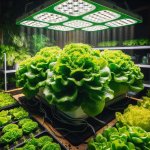
How to Grow Organic Lettuce Indoors with LED Lights?
To grow organic lettuce indoors with LED lights successfully, provide ample full-spectrum light for 12-16 hours daily, use a well-draining organic potting mix, and ensure consistent watering. This setup allows for fresh, pesticide-free greens regardless of outdoor conditions.
-
What Are the Benefits of Organic Cover Crops for Gardens?
Organic cover crops offer numerous benefits for garden health, primarily by improving soil fertility, suppressing weeds, and preventing erosion. They act as "living mulch," enhancing the garden ecosystem and preparing the ground for more productive harvests without synthetic inputs.
-
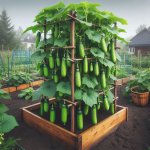
How to Grow Organic Cucumbers Vertically in Small Spaces?
There's nothing quite like the crisp, refreshing taste of a homegrown cucumber, especially when it's fresh from your own organic garden. But if you're working with a small yard, a patio, or even a balcony, the sprawling vines of traditional cucumber plants can seem like a major obstacle. Good news! You can absolutely grow organic cucumbers vertically in small spaces, turning limited horizontal ground into abundant vertical harvests. This smart gardening technique not only saves space but also offers several benefits for healthier plants and easier harvests, all while sticking to your organic gardening principles. This guide will show you how to maximize your harvest, even in the tiniest of plots.
-
How to Design an Organic Pollinator Garden for Bees?
To design an organic pollinator garden for bees, prioritize planting a diverse array of native, nectar- and pollen-rich flowers that bloom continuously from spring to fall, avoid all pesticides, and provide essential resources like water, shelter, and nesting sites. This holistic approach supports bee health and ecosystem biodiversity.