Gardening Doesn't Have to Be Complicated if You Know What You're Doing

With just a bit of practical knowledge and the right tools, anyone can create a lush, vibrant garden space. Whether you're tending to houseplants, nurturing a vegetable patch, or crafting a backyard oasis, understanding a few fundamental tips can simplify the entire process. At GardenBotany.com, we're here to guide you every step of the way, making gardening enjoyable, stress-free, and accessible for everyone, from complete beginners to seasoned gardeners looking to perfect their green thumbs.
Latest Gardening Posts and Plant Care Tips
-

How to Control Whiteflies Organically in Home Gardens?
To control whiteflies organically in home gardens, employ a multi-pronged approach combining cultural practices like careful watering and weeding, physical removal methods such as spraying and sticky traps, and the encouragement of natural predators. Consistency is key for managing these persistent pests without chemicals.
-
How to Grow Organic Zucchini with Natural Fertilizers?
Ah, zucchini! It's the quintessential summer squash, known for its rapid growth and abundant harvests. Many gardeners joke about having "too much" zucchini, but there's a good reason for its popularity: it's incredibly versatile and relatively easy to grow. If you're committed to organic gardening, growing zucchini means you want to ensure those prolific fruits are free from synthetic chemicals. This requires focusing on building healthy soil and providing nourishment using only natural fertilizers. This guide will walk you through everything you need to know about how to grow organic zucchini with natural fertilizers, ensuring you get a bountiful, delicious, and chemical-free harvest all summer long.
-
Best Organic Gardening Practices for Sustainable Living
The best organic gardening practices for sustainable living revolve around fostering healthy soil, encouraging biodiversity, and minimizing reliance on external inputs while maximizing the natural processes of your garden ecosystem. These practices create a thriving, resilient garden that benefits both your harvest and the planet.
-
Advertisement
-
How to Use Neem Oil for Organic Pest Control Safely?
To use neem oil for organic pest control safely, always dilute it properly with water and a mild emulsifier like dish soap before applying. Spray thoroughly, ensuring full coverage of affected plant parts, and apply during cooler parts of the day or in the evening to avoid leaf burn and protect beneficial insects.
-
How to Create an Organic Garden That Attracts Birds?
To create an organic garden that attracts birds, focus on providing the four essential elements birds need: food, water, shelter, and nesting sites, all while adhering to organic practices. This involves planting native species that offer diverse food sources and habitats, avoiding pesticides, and integrating water features for drinking and bathing.
-
Why Organic Mulching Improves Soil Fertility?
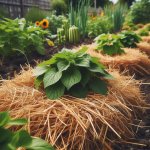
Organic mulching significantly improves soil fertility by steadily releasing nutrients as it decomposes, enriching the soil with organic matter, and fostering a vibrant underground ecosystem. This natural process is a cornerstone of healthy and productive gardening, mimicking how nature builds healthy soil.
-
How to Identify and Treat Common Garden Pests Organically?
There's nothing quite as frustrating for a gardener as seeing your healthy plants suddenly looking sickly, leaves chewed, or fruits damaged. Pests are an inevitable part of gardening, but in an organic garden, our approach to them is different. We don't reach for harsh chemicals that can harm beneficial insects, pollute our soil and water, or leave residues on our food. Instead, we learn to identify common garden pests and use organic pest control methods that work with nature, maintaining a balanced ecosystem. This guide will empower you to become a pest detective and provide you with effective, natural solutions to keep your garden thriving without a single drop of synthetic pesticide.
-
How to Grow Organic Kale Year-Round in Raised Beds?
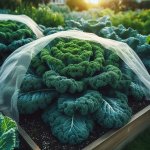
To grow organic kale year-round in raised beds, focus on selecting cold-hardy varieties, preparing nutrient-rich soil, ensuring consistent moisture, and utilizing season extension techniques for colder months. Proper pest management and continuous harvesting will ensure a steady supply of this versatile leafy green.
-
Best Organic Soil Amendments for Vegetable Gardens
Every successful gardener knows that the real secret to thriving plants and abundant harvests lies beneath the surface: the soil. In organic gardening, we don't just feed the plants; we feed the soil. Healthy soil is a living, breathing ecosystem, teeming with beneficial microbes, fungi, and earthworms that work together to make nutrients available to your vegetables. If your soil isn't quite up to snuff – too much clay, too sandy, or just lacking vitality – organic soil amendments are your best friends. These natural materials improve your soil's structure, boost its fertility, and create the perfect environment for your vegetables to flourish, all without synthetic chemicals. This guide will walk you through the best organic soil amendments for vegetable gardens, helping you transform your garden beds into a powerhouse of natural growth.
-
How to Make Organic Pesticides with Common Kitchen Ingredients?
To make organic pesticides with common kitchen ingredients, focus on utilizing the natural repellent or insecticidal properties of substances like soap, garlic, chili peppers, and certain oils. These homemade solutions offer a gentle, non-toxic approach to pest control for your garden.