Gardening Doesn't Have to Be Complicated if You Know What You're Doing
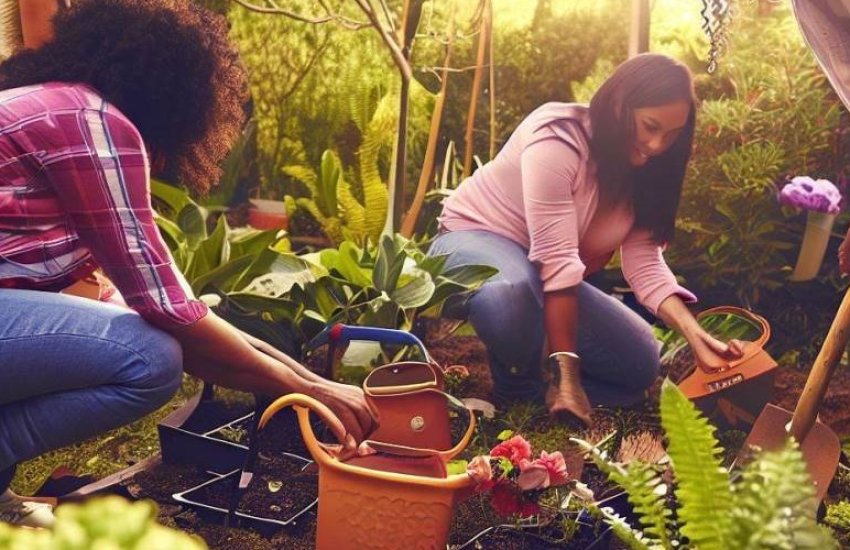
With just a bit of practical knowledge and the right tools, anyone can create a lush, vibrant garden space. Whether you're tending to houseplants, nurturing a vegetable patch, or crafting a backyard oasis, understanding a few fundamental tips can simplify the entire process. At GardenBotany.com, we're here to guide you every step of the way, making gardening enjoyable, stress-free, and accessible for everyone, from complete beginners to seasoned gardeners looking to perfect their green thumbs.
Latest Gardening Posts and Plant Care Tips
-

How to Grow Organic Carrots in Sandy Soil?
There's nothing quite like the sweet crunch of a freshly pulled, homegrown carrot. Known for their vibrant color and essential nutrients, carrots are a staple in many vegetable gardens. However, they can be a bit particular about their growing conditions, especially when it comes to soil. While they love loose, well-drained soil, sandy soil presents a unique set of challenges for the organic gardener aiming for straight, uniform roots. Sandy soil drains water and nutrients quickly, which isn't ideal for thirsty, hungry carrots. But don't despair! With the right organic methods, you can absolutely grow organic carrots in sandy soil and enjoy a bountiful, chemical-free harvest. This guide will show you how to transform your sandy plot into a carrot-growing paradise.
-
How to Use Coffee Grounds in an Organic Garden Effectively?
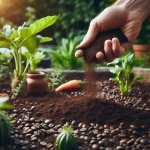
Using coffee grounds in an organic garden effectively involves incorporating them into compost, applying them as a balanced mulch, or utilizing them for specific plant needs, rather than applying them directly and heavily as a standalone fertilizer. While rich in nitrogen and organic matter, their acidity and potential for clumping require careful application.
-
How to Rotate Crops in an Organic Vegetable Garden?
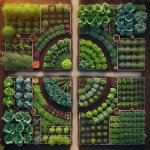
To rotate crops in an organic vegetable garden successfully, group plants by family and their specific nutrient needs, then plan a sequence that moves each family to a different section of the garden annually. This practice naturally improves soil fertility, prevents pest buildup, and reduces disease transmission.
-
Advertisement
-
What Are the Best Organic Seeds for Vegetable Gardening?
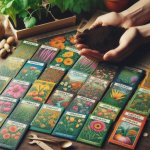
Starting a vegetable garden is an exciting adventure, and for many, the dream is to grow healthy, chemical-free food right from their backyard. This dream begins with a crucial choice: your seeds. If you're committed to organic gardening, then choosing the best organic seeds is your first and most important step. But what does "organic seed" really mean? And with so many options out there, how do you pick the right ones for a thriving, pesticide-free harvest? This guide will break down everything you need to know about selecting the best organic vegetable seeds, ensuring your garden gets off to the healthiest start possible.
-
How to Grow Organic Peppers Without Pesticides?
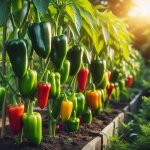
Whether you love the fiery kick of a habanero or the sweet crunch of a bell pepper, growing your own means enjoying fresh, flavorful produce right from your garden. But like many garden vegetables, peppers can sometimes attract unwanted pests. The good news is that you absolutely can grow organic peppers without pesticides, creating a healthy, vibrant harvest that's safe for you, your family, and the environment. Organic pest control for peppers isn't about eradicating every single bug; it's about building a balanced ecosystem where natural predators keep pests in check and your plants are strong enough to resist problems. This guide will walk you through the essential steps to cultivate a thriving, pest-free organic pepper patch.
-
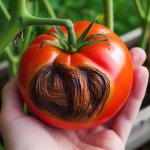
Best Organic Methods to Prevent Blossom End Rot in Tomatoes
The best organic methods to prevent blossom end rot in tomatoes primarily involve ensuring consistent soil moisture and adequate calcium availability to the plant's roots. This common issue is a physiological disorder, not a disease, and can be managed through careful watering and soil amendments.
-
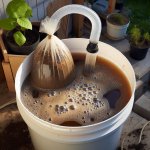
How to Make Your Own Organic Compost Tea for Plants?
You know that compost is gold for your garden soil. It adds vital nutrients, improves soil structure, and introduces beneficial microbes. But what if you could give your plants a quick, powerful dose of those amazing benefits in liquid form? That's where organic compost tea comes in! Think of it as a super healthy, probiotic drink for your plants and soil. It's a fantastic way to boost plant health, suppress diseases, and increase nutrient uptake, all without using any harsh chemicals. Making your own is surprisingly easy, affordable, and incredibly rewarding for any organic gardener. This guide will show you exactly how to brew your own potent batch of compost tea to unlock a world of benefits for your plants.
-
Organic Pest Control for Aphids: Top Natural Solutions
Oh, aphids! These tiny, pear-shaped insects are one of the most common and frustrating pests for any gardener. They gather in clusters on new growth, under leaves, and on flower buds, sucking the life out of your plants. If you've ever seen your plant's leaves curling, turning yellow, or covered in a sticky substance (called "honeydew"), aphids are likely the culprits. The honeydew can also lead to sooty mold, a black fungus that covers leaves and blocks sunlight. While they're annoying, the good news is that you don't need harsh chemicals to get rid of them. Organic pest control for aphids is incredibly effective and much better for your garden's overall health and the environment. This guide will show you the top natural solutions to keep aphids in check and help your plants thrive!
-
How to Grow Organic Blueberries in Acidic Soil?
There's nothing quite like popping a handful of fresh, sweet-tart blueberries into your mouth, especially when you know they came straight from your own garden and were grown organically. But if you’ve ever tried to grow them, you know blueberries are a bit particular about their home. Their main demand? Acidic soil. Most garden plants like soil that's a little bit sour or neutral, but blueberries are true acid-lovers. If your soil isn't acidic enough, your blueberry bushes will struggle, look sickly, and won't give you much fruit. This guide will walk you through everything you need to know about how to successfully grow organic blueberries in acidic soil, ensuring you get a bountiful harvest year after year.
-
How to Start Organic Gardening Without Using Chemicals?
Are you dreaming of a vibrant garden filled with healthy, delicious produce, knowing it's grown without any harsh chemicals? Organic gardening is all about working with nature, not against it. It means creating a thriving ecosystem in your backyard that supports plants, beneficial insects, and healthy soil, without relying on synthetic pesticides, herbicides, or fertilizers. It might sound a bit overwhelming at first, but starting an organic garden is simpler than you think. This guide will walk you through the essential steps, showing you how to grow beautiful and bountiful harvests the natural way, right from the very beginning.