Gardening Doesn't Have to Be Complicated if You Know What You're Doing
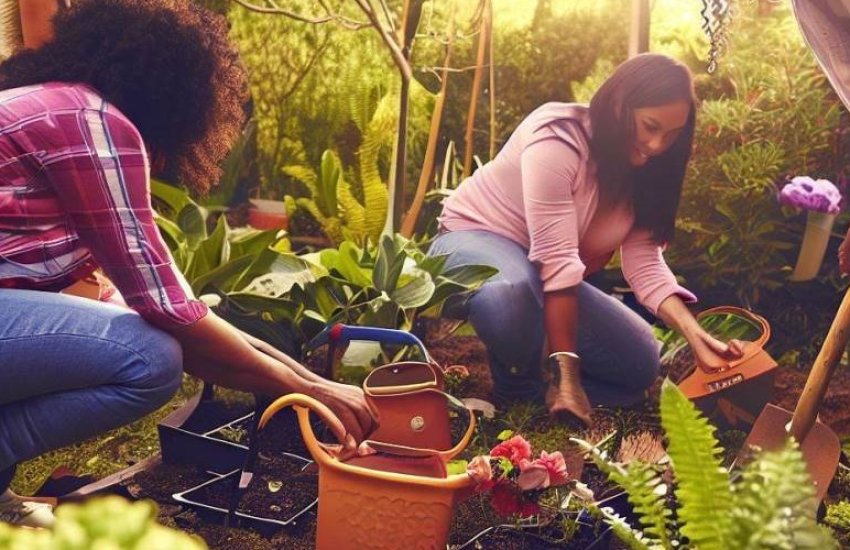
With just a bit of practical knowledge and the right tools, anyone can create a lush, vibrant garden space. Whether you're tending to houseplants, nurturing a vegetable patch, or crafting a backyard oasis, understanding a few fundamental tips can simplify the entire process. At GardenBotany.com, we're here to guide you every step of the way, making gardening enjoyable, stress-free, and accessible for everyone, from complete beginners to seasoned gardeners looking to perfect their green thumbs.
Latest Gardening Posts and Plant Care Tips
-

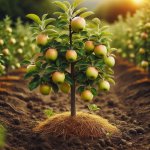
What Are the Best Organic Fertilizers for Fruit Trees?
The best organic fertilizers for fruit trees are those that improve soil health, provide slow-release nutrients, and encourage robust fruiting without synthetic chemicals. These typically include compost, composted manures, bone meal, and kelp meal.
-
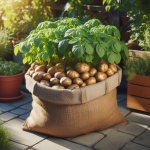
How to Grow Organic Potatoes in Containers?
Growing organic potatoes in containers is an excellent solution for gardeners with limited space or less-than-ideal soil conditions. It allows for fresh, homegrown tubers with minimal fuss and maximum control over growing conditions.
-
Why Organic Gardening is Better for the Environment?
Have you ever thought about how your garden choices affect the bigger picture – our planet? When we talk about gardening, it's not just about growing tasty vegetables or beautiful flowers; it's also about how we interact with the earth. More and more people are turning to organic gardening, and for good reason. It's a way of growing that works with nature, not against it. Unlike traditional gardening methods that often rely on synthetic chemicals, organic gardening prioritizes the health of the soil, water, air, and all living things. Let's explore why choosing to garden organically is a powerful step towards a healthier environment.
-
Advertisement
-
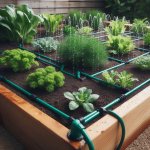
How to Set Up a Drip Irrigation System for Organic Gardens?
Watering your garden can be a big job, especially during hot summer days. Dragging hoses around, trying to give each plant just enough water without wasting any, can get tiring. Plus, traditional watering methods like sprinklers can lead to problems like fungal diseases on leaves and lots of wasted water. That's where a drip irrigation system comes in! It's like giving each of your plants its own personal hydration station. For an organic garden, using drip irrigation is a game-changer. It saves water, delivers it right where plants need it most (the roots!), and helps keep diseases away. This guide will walk you through setting up a simple and effective drip irrigation system for your organic garden, making watering easier and more efficient.
-
Best Organic Fertilizers for Growing Leafy Greens
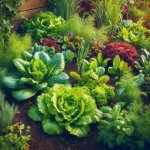
There's nothing quite like harvesting your own fresh, crisp leafy greens from the garden. The taste is unbeatable, and knowing they're grown organically makes them even more delicious. But to get those lush, vibrant leaves, your plants need the right fuel. For leafy greens, the "secret sauce" is nitrogen. This nutrient is like rocket fuel for foliage, encouraging strong stem and leaf growth. In an organic garden, we feed the soil, and the soil feeds the plants. This means using natural fertilizers that improve soil health over time, rather than just giving a quick chemical boost. This guide will explore the best organic fertilizers for growing leafy greens, helping you achieve a bountiful harvest of spinach, lettuce, kale, and more.
-
How to Prevent Fungal Diseases Organically in Your Garden?
There’s nothing quite as disheartening as seeing your thriving garden suddenly succumb to fuzzy white spots, black patches, or wilting leaves. Chances are, your plants might be battling a fungal disease. Fungi are everywhere – in the soil, in the air, and even on plant debris. They wait for the right conditions, often warm and wet, to attack. While it’s tempting to reach for harsh chemical sprays, an organic garden thrives on prevention and natural solutions. Learning how to prevent fungal diseases organically means focusing on healthy soil, proper plant care, and creating an environment where fungi don't feel welcome. This approach leads to stronger, more resilient plants and a healthier ecosystem for your whole garden.
-
Organic Companion Planting Ideas for a Healthier Garden
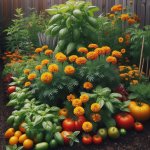
Organic companion planting involves strategically placing different plant species near each other to create mutually beneficial relationships in your garden. These relationships can deter pests, attract beneficial insects, improve soil health, and enhance plant growth, leading to a healthier, more productive garden without synthetic chemicals.
-
How to Balance Soil pH Naturally in an Organic Garden?
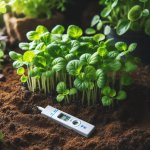
Have you ever wondered why some plants thrive in one garden but struggle in another, even with the same care? Often, the secret lies hidden beneath the surface: the soil pH. Think of soil pH as the soil’s "taste" – whether it's more sour (acidic) or more bitter (alkaline). Just like different people prefer different foods, different plants prefer soil that’s a certain level of sourness or bitterness. Getting the soil pH just right is super important for an organic garden because it affects how well your plants can eat. This guide will walk you through everything you need to know about balancing soil pH naturally, ensuring your garden is a happy place for your plants to grow.
-
Best Organic Techniques for Weed Control in Vegetable Gardens
Weeds are the uninvited guests in our garden parties, always showing up and trying to steal the show. They compete with our precious vegetables for sunlight, water, and nutrients. Dealing with them can feel like a never-ending battle. But what if there was a way to keep them in check without resorting to harsh chemicals? This guide will show you the best organic techniques for weed control in your vegetable garden. We’ll explore methods that are good for your plants, good for the soil, and good for you!
-
How to Grow Organic Herbs Indoors Successfully?
Successfully growing organic herbs indoors involves providing adequate light, choosing the right potting mix, and ensuring proper watering and air circulation. It allows you to enjoy fresh, pesticide-free herbs year-round.