Gardening Doesn't Have to Be Complicated if You Know What You're Doing
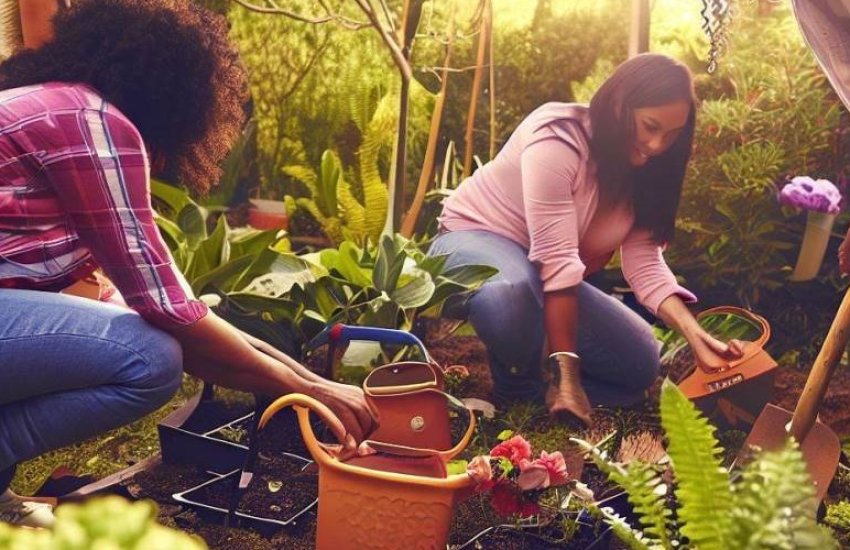
With just a bit of practical knowledge and the right tools, anyone can create a lush, vibrant garden space. Whether you're tending to houseplants, nurturing a vegetable patch, or crafting a backyard oasis, understanding a few fundamental tips can simplify the entire process. At GardenBotany.com, we're here to guide you every step of the way, making gardening enjoyable, stress-free, and accessible for everyone, from complete beginners to seasoned gardeners looking to perfect their green thumbs.
Latest Gardening Posts and Plant Care Tips
-

Organic Gardening Tips for Beginners on a Budget
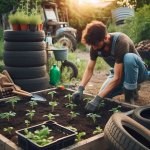
Dreaming of a vibrant organic garden brimming with fresh, healthy vegetables and beautiful flowers, but worried about the cost? Good news! Organic gardening on a budget is absolutely possible. In fact, many core organic principles naturally save you money by relying on natural processes and repurposed materials instead of expensive chemicals and constant store-bought supplies. You don't need a huge bank account to grow green; you just need some smart strategies and a little creativity.
-
How to Protect Your Organic Garden from Slugs Naturally?
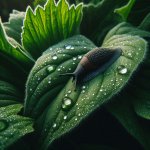
You step into your garden excited to see your progress, only to find your tender seedlings gnawed to nubs or your beautiful hosta leaves riddled with ragged holes and tell-tale shiny trails. The culprit? Those unwelcome, slimy visitors: slugs. These nocturnal gastropods can decimate a garden seemingly overnight, especially in cool, damp conditions. As an organic gardener, you want to protect your plants without resorting to harsh chemicals that can harm beneficial insects, pets, or the environment.
-
Best Organic Practices to Attract Pollinators to Your Garden
To attract pollinators to your garden using the best organic practices, focus on providing a continuous supply of diverse, nectar- and pollen-rich native plants, eliminating all synthetic pesticides, and offering essential water and shelter. These holistic methods create a thriving, biodiverse haven that naturally supports vital pollinator populations.
-
Advertisement
-
How to Grow Organic Tomatoes Without Chemical Fertilizers?
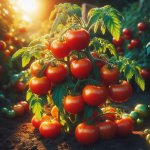
There's nothing quite like the taste of a homegrown tomato – juicy, bursting with flavor, and miles better than anything from the store. And if you're aiming for that pure, unadulterated taste, growing them organically is the way to go. You might wonder if it's possible to achieve those abundant harvests without relying on synthetic chemical fertilizers. The answer is a resounding yes! Growing organic tomatoes without chemical fertilizers is not only achievable but often leads to healthier plants, richer soil, and truly delicious fruit.
-
What Are the Benefits of Organic Mulch in the Garden?
Organic mulch offers numerous benefits for garden health, primarily by improving soil structure, retaining moisture, and suppressing weeds. It provides a natural, sustainable way to enhance your garden's vitality.
-
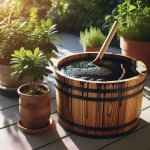
How to Make Organic Liquid Fertilizer at Home?
You can make organic liquid fertilizer at home using readily available materials like kitchen scraps, comfrey leaves, or aged manure, steeping them in water to create a nutrient-rich "tea" that feeds plants rapidly. This homemade concoction provides a gentle, balanced boost to soil life and plant growth, supporting a thriving organic garden.
-
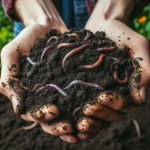
Best Organic Methods to Improve Garden Soil Structure
The best organic methods to improve garden soil structure consistently involve the generous and continuous addition of organic matter, minimizing disturbance, and fostering a thriving soil food web. These practices naturally create stable soil aggregates, enhancing drainage, aeration, and nutrient availability for robust plant growth.
-
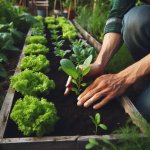
How to Start an Organic Vegetable Garden for Beginners?
To start an organic vegetable garden for beginners, the key is to begin with healthy soil, choose easy-to-grow plants, and embrace natural methods for watering, feeding, and pest control. It’s a journey of learning that yields delicious, chemical-free food and connects you to nature.
-
Top Organic Pest Control Methods for Home Gardens
Seeing your beautiful garden plants suddenly covered in holes, wilting, or looking sickly because of pests can be incredibly frustrating. It feels like an uphill battle sometimes! But before you reach for harsh chemical sprays, know that there are many effective, safe, and environmentally friendly ways to manage pests in your home garden. Organic pest control methods focus on prevention, encouraging beneficial insects, and using natural remedies, rather than simply killing everything in sight.
-
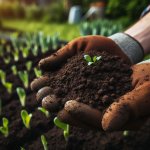
How to Build Healthy Soil Organically for Vegetables?
You can build healthy soil organically for vegetables by focusing on feeding the soil's microbial life, primarily through the generous and consistent addition of organic matter like compost. This approach naturally improves soil structure, water retention, and nutrient availability, leading to thriving vegetable plants.