Gardening Doesn't Have to Be Complicated if You Know What You're Doing

With just a bit of practical knowledge and the right tools, anyone can create a lush, vibrant garden space. Whether you're tending to houseplants, nurturing a vegetable patch, or crafting a backyard oasis, understanding a few fundamental tips can simplify the entire process. At GardenBotany.com, we're here to guide you every step of the way, making gardening enjoyable, stress-free, and accessible for everyone, from complete beginners to seasoned gardeners looking to perfect their green thumbs.
Latest Gardening Posts and Plant Care Tips
-

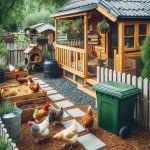
How to Compost Chicken Manure Safely and Effectively?
If you're a backyard chicken keeper, you know that those delightful feathered friends produce more than just eggs; they also generate a lot of waste. Instead of sending that waste to a landfill, you can turn it into a valuable resource for your garden: composted chicken manure. This "black gold" is packed with nutrients that your plants will love. However, there's a right way and a wrong way to use chicken manure. Raw chicken manure can be too strong for plants and even contain harmful bacteria. Learning how to compost chicken manure safely and effectively is key to transforming a potential problem into a powerful garden booster.
-
How to Manage Moisture Levels in Compost Piles?
Composting is like cooking a perfect meal for your garden. You need the right ingredients, the right temperature, and, perhaps most importantly, the right amount of moisture. Think of your compost pile as a thriving community of tiny workers – microbes, bacteria, and fungi. These microscopic helpers are what break down your kitchen scraps and yard waste into rich, dark compost, often called "black gold" by gardeners. But just like any living thing, these workers need water to survive and do their job. Getting the moisture level in compost just right is a key secret to successful composting. Too dry, and the process slows to a crawl. Too wet, and it can become a stinky, slimy mess.
-
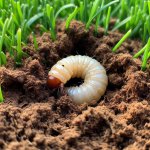
How to Identify and Treat Lawn Grubs?
Few things are as frustrating for a homeowner as seeing their beautiful, green lawn turn brown and patchy. Often, the culprit hiding beneath the surface is a common pest known as lawn grubs. These sneaky little creatures can cause significant damage to your grass, literally eating away at its roots. But don't worry! Understanding how to identify grubs and knowing the best grub treatment options can help you protect your lawn and restore it to its former glory.
-
Advertisement
-
Best Lawn Care Tips for Warm-Season Grasses
Having a beautiful lawn is a dream for many homeowners. But if you live in a warmer climate, you know that lawn care is a bit different for warm-season grasses. These grasses love the heat and sunshine, thriving when temperatures are high. Think of popular types like Bermudagrass, Zoysiagrass, St. Augustinegrass, and Centipedegrass. They green up beautifully in late spring and summer but go dormant (turn brown) in the cooler months. Understanding how to care for these specific grass types is key to a healthy, vibrant lawn all year round.
-
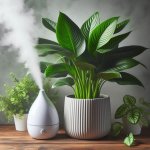
Best Watering Practices for Calathea Plants
Caring for Calathea plants can feel like a puzzle, especially when it comes to watering. These stunning tropical beauties, known for their vibrant, patterned leaves that often move throughout the day (a process called nyctinasty), are native to the rainforests of South America. This means they love humidity and consistent moisture, but they are also very picky about their water. Getting it right is key to keeping your Calathea plant happy, healthy, and thriving.
-
How to Grow a Bird of Paradise Plant Indoors?
The Bird of Paradise plant, with its striking, crane-like blooms and large, banana-leaf-like foliage, is a true showstopper. While it thrives in tropical outdoor climates, its exotic beauty makes it a highly coveted houseplant for those in cooler regions. If you've ever admired its vibrant orange and blue "birds" and wondered, "How to grow a Bird of Paradise plant indoors?", you're in for a treat. With the right care and conditions, you can successfully cultivate this magnificent plant in your home, bringing a touch of the tropics and a promise of spectacular blooms.
-
Creative Chicken Coop Ideas: Design Inspirations for Your Backyard Flock
Keeping backyard chickens offers a delightful blend of fresh eggs, natural pest control, and engaging companionship. However, housing your feathered friends requires more than just a functional structure; it's an opportunity for creativity. Exploring creative chicken coop ideas can transform a simple enclosure into a charming and practical centerpiece for your backyard flock, blending seamlessly with your landscape while prioritizing the health and happiness of your hens.
-
Seed Starting: The Ultimate Guide to Growing Healthy Seedlings Indoors
Embarking on the journey of seed starting indoors is a rewarding way to get a head start on your garden, cultivate unique plant varieties, and save money. Transforming tiny seeds into robust, healthy seedlings requires specific conditions and attentive care. This ultimate guide will walk you through every step, ensuring you have all the knowledge and tools to successfully nurture your plants from germination to transplant, leading to a bountiful garden.
-
Planting Potatoes: Your Complete Guide to a Bountiful Harvest
Growing your own potatoes can be incredibly rewarding, offering fresh, delicious tubers right from your garden. This comprehensive guide will walk you through everything you need to know about planting potatoes, from choosing the right variety to harvesting a truly bountiful crop. Whether you're a seasoned gardener or just starting out, you'll find valuable tips to ensure success.
-
Best Backpack Sprayers for Organic Pest Control
For gardeners committed to sustainable practices, selecting the best backpack sprayers for organic pest control is a crucial step in maintaining a healthy and productive garden. These ergonomic tools provide an efficient way to apply natural solutions, beneficial microbes, or foliar feeds precisely where needed, minimizing chemical intervention. Understanding the features that make a sprayer truly effective for organic applications will empower you to make an informed choice for your green space.