Composting Gardening Tips and Plant Care
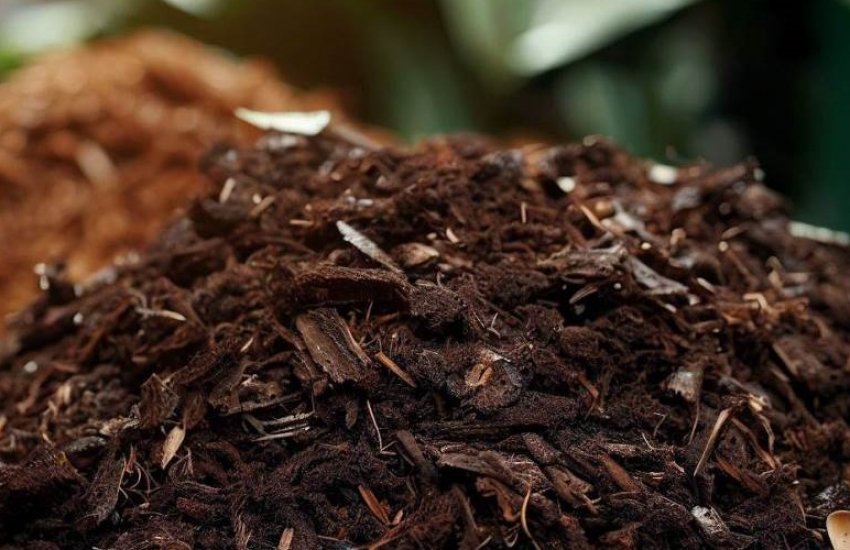
Composting is nature's way of recycling, turning everyday kitchen scraps and garden waste into rich, nutritious soil that plants love. Whether you're new to composting or looking to enhance your existing setup, GardenBotany.com offers easy-to-follow guides, practical tips, and solutions to common composting challenges. Discover how composting can significantly reduce household waste, improve your garden's health, and support a greener lifestyle—all while saving money and helping the environment thrive.
Recent Posts of Composting - Gardening Ideas
-

How to Make Bokashi Compost Indoors with Ease?
Want to compost your food scraps, even meat and dairy, without smells or pests? And do it all inside your home? Then Bokashi composting might be your new favorite thing! Unlike traditional composting, which is about breaking down organic matter, Bokashi is about fermenting it. This process makes it super easy to handle all kinds of kitchen waste indoors. If you've been hesitant about composting because of space, smells, or what you can put in, learning how to make Bokashi compost indoors with ease is a game-changer. It's clean, efficient, and incredibly simple.
-
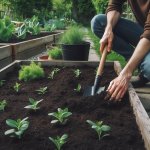
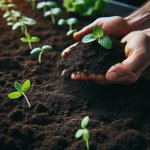
How to Add Compost to Your Garden Beds Properly?
You've done the hard work! You've collected kitchen scraps, diligently turned your compost pile, and waited patiently. Now you have a beautiful pile of finished, rich compost, often called "black gold." But how do you use it? Just dumping it on top of your garden beds isn't always the best approach. Knowing how to add compost to your garden beds properly is just as important as making it. The right way to add compost can make a huge difference in how well your plants grow, how healthy your soil becomes, and how much work you save yourself in the long run.
-
How to Test When Your Compost Is Ready to Use?
You’ve been diligently tossing your kitchen scraps and yard waste into your compost bin. You’ve turned it, watered it, and maybe even wrestled with some curious critters. Now, you’re eager to use that "black gold" in your garden. But how do you know when your compost is ready to use? It's not always as simple as a calendar date. Using compost that isn't fully "finished" can actually harm your plants instead of helping them. So, learning how to tell when your compost is truly ready is super important for healthy plants and a happy garden.
-
Advertisement
-
Can You Compost Meat Scraps Without Attracting Pests?
Composting is a fantastic way to turn kitchen waste into "black gold" for your garden. It helps your plants grow strong and healthy. Most people know you can compost fruit and veggie scraps, coffee grounds, and yard waste. But what about meat scraps? This is a common question, and it's a bit trickier. Many folks worry about pests like rats, raccoons, and flies. They also worry about bad smells. So, can you really compost meat without inviting unwanted guests? The answer is yes, but it needs a bit more care and the right method.
-
How to Start a Compost Bin in Winter Months?
The thought of starting a compost bin might bring up images of warm spring days or sunny autumn afternoons. But what about when the temperatures drop, and snow starts to fall? Can you really begin composting in the dead of winter? The answer is a resounding yes! While the process might slow down, starting a compost bin in the colder months is absolutely doable and can give you a head start for next spring's gardening season.
-
What Are Green and Brown Materials in Composting?
If you've ever looked into composting, you've probably heard the terms "green materials" and "brown materials." These aren't just fancy gardening words; they're the secret ingredients to making great compost. Think of them as the two main food groups for the tiny workers in your compost pile – the microbes and bacteria that break down organic waste into rich, dark compost. Getting the right mix of these two types of materials is key to a successful composting journey.
-
How to Compost Chicken Manure Safely and Effectively?
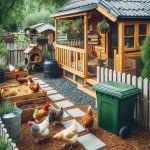
If you're a backyard chicken keeper, you know that those delightful feathered friends produce more than just eggs; they also generate a lot of waste. Instead of sending that waste to a landfill, you can turn it into a valuable resource for your garden: composted chicken manure. This "black gold" is packed with nutrients that your plants will love. However, there's a right way and a wrong way to use chicken manure. Raw chicken manure can be too strong for plants and even contain harmful bacteria. Learning how to compost chicken manure safely and effectively is key to transforming a potential problem into a powerful garden booster.
-
How to Manage Moisture Levels in Compost Piles?
Composting is like cooking a perfect meal for your garden. You need the right ingredients, the right temperature, and, perhaps most importantly, the right amount of moisture. Think of your compost pile as a thriving community of tiny workers – microbes, bacteria, and fungi. These microscopic helpers are what break down your kitchen scraps and yard waste into rich, dark compost, often called "black gold" by gardeners. But just like any living thing, these workers need water to survive and do their job. Getting the moisture level in compost just right is a key secret to successful composting. Too dry, and the process slows to a crawl. Too wet, and it can become a stinky, slimy mess.
-
Do Earthworms Help Your Garden? The Hidden Benefits of Soil's Best Friend
Gardeners often ponder the true impact of those wiggly creatures found beneath the soil. Many wonder if earthworms are genuinely beneficial to a thriving garden ecosystem. It’s a common question that delves into the complex world beneath our feet.
-
Composting for Beginners: How to Turn Waste into Nutrient-Rich Soil
Have you ever looked at your kitchen scraps – those banana peels, coffee grounds, and vegetable trimmings – and wondered if there was a better place for them than the trash can? What about all those fallen leaves in your yard, or the grass clippings after you mow? The answer is a resounding "yes!" And that better place is a compost pile.