Houseplants Gardening Tips and Plant Care
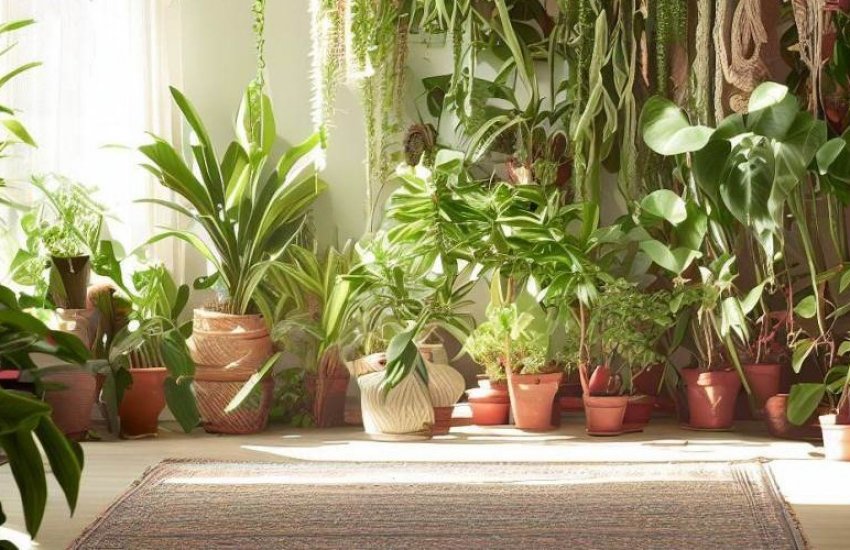
Houseplants bring life, beauty, and fresh air into your home, creating vibrant spaces that uplift your mood and enhance your decor. In our Houseplants category at GardenBotany.com, you'll find easy-to-follow guides and practical tips for choosing, growing, and caring for indoor plants, whether you're a first-time plant parent or a seasoned indoor gardener. Discover the best plants for your space, troubleshoot common issues like pests or watering problems, and learn proven techniques to keep your houseplants thriving, healthy, and beautiful all year round.
Recent Posts of Houseplants - Gardening Ideas
-

Low-Maintenance Indoor Plants You'll Actually Keep Alive
Have you ever brought home a beautiful plant, full of hope, only to watch it slowly wilt and die despite your best intentions? You're not alone! Life gets busy. We forget to water, we overwater, we don't have perfect light. But the dream of a green, vibrant home doesn't have to die with your last plant. That's why you need low-maintenance indoor plants. These are the plant superheroes that forgive your forgetfulness, tolerate less-than-ideal conditions, and still manage to look fantastic.
-
Houseplant Care for Busy People: Thrive, Not Just Survive!
Are you a busy person? Do you dream of a lush, green home, but worry you don't have the time for plants? You're not alone! Many people think houseplant care is a huge time commitment. But what if I told you it doesn't have to be? This guide, designed for even the busiest schedules, will show you how to enjoy beautiful plants without the stress. We'll cover everything from choosing the right plants to smart watering and feeding. Get ready to transform your living space into a green oasis!
-
Easy Houseplant Care Tips: Your Guide to a Green Thumb
Do you dream of a home filled with lush, green houseplants but worry you don't have a green thumb? Think again! Caring for houseplants doesn't have to be complicated. With a few easy houseplant care tips, anyone can create a vibrant indoor oasis. Forget the fear of wilting leaves and sad-looking pots. We're here to show you how simple it can be to keep your plants happy and thriving.
-
Advertisement
-
What are the best moss poles for climbing plants?
The best moss poles for climbing plants are those that closely mimic the natural environment of epiphytic and hemi-epiphytic plants, providing a moist, textured surface for aerial roots to attach and grow into. These plants, like many Aroids (Monstera, Philodendron, Pothos), naturally climb trees in their native habitats, using their aerial roots to absorb moisture and nutrients from the bark and surrounding air. A good moss pole, therefore, offers not just physical support but also a crucial source of hydration and nutrients, encouraging larger leaves and more vigorous growth. Sphagnum moss poles are generally considered superior due to their excellent water retention properties.
-
How do I encourage bushier growth on my pothos?
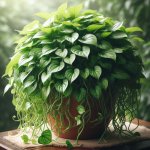
To encourage bushier growth on your Pothos, the most effective strategy is consistent pruning and ensuring adequate light. Pothos naturally tends to grow long, trailing vines, which can lead to a sparse appearance at the top of the plant. When you prune, you cut the tips of these vines, which signals the plant to activate dormant growth nodes (called axillary buds) further down the stem. This results in new side shoots emerging, making the plant look fuller and more compact. Combining regular trimming with sufficient bright, indirect light provides the ideal conditions for a dense, luxuriant Pothos.
-
Can I grow a dwarf citrus tree inside?
Yes, you absolutely can grow a dwarf citrus tree inside, and it's a wonderfully rewarding experience to harvest your own fresh lemons, limes, or oranges right from your living room! Dwarf citrus trees are specially grafted varieties that stay compact, making them perfect for container growing indoors. While they can thrive inside, they do have specific needs that must be met to ensure they fruit and stay healthy. The most critical factors are abundant light, consistent watering, high humidity, and proper fertilization. With the right care, these trees can bring beautiful foliage, fragrant blossoms, and delicious fruit to your home year-round.
-
What’s the ideal care routine for a parlor palm?
The ideal care routine for a parlor palm (Chamaedorea elegans) focuses on mimicking its natural understory habitat: bright, indirect light, consistent moisture without waterlogging, and moderate to high humidity. These popular houseplants are known for being relatively low-maintenance and tolerant of various indoor conditions, making them excellent choices for beginners. However, providing the right environment will ensure your palm remains lush and vibrant. Key practices include placing it in a well-lit spot away from direct sun, watering when the top few inches of soil are dry, and protecting it from dry air and sudden temperature changes.
-
How do I care for a Chinese elm bonsai indoors?
Caring for a Chinese Elm bonsai indoors requires understanding its specific needs for light, water, humidity, and regular pruning. While the Chinese Elm (Ulmus parvifolia) is a temperate tree that prefers outdoor conditions, it can tolerate being kept indoors, especially in regions with harsh winters, making it a popular choice for beginners. The key is to mimic its natural environment as closely as possible, providing ample light, consistent moisture without waterlogging, and sufficient humidity, particularly during the dry indoor heating season. Regular observation of your tree's health and proactive care are essential for its longevity and aesthetic appeal.
-
What changes should I make to watering in winter?
During winter, you should significantly reduce your watering frequency for most houseplants. This is because plants typically enter a period of reduced growth or dormancy due to lower light levels and cooler temperatures indoors. They simply use less water. Overwatering in winter is one of the most common causes of houseplant problems, leading to root rot, fungal issues, and pest infestations. Instead of watering on a fixed schedule, always check the soil moisture before watering. Allow the top few inches of soil to dry out completely for most plants, and even more for succulents and cacti.
-
How do I overwinter tropical plants indoors?
Overwintering tropical plants indoors involves a careful balance of light, humidity, temperature, and pest management to mimic their natural warm environments. The key is to gradually transition your plants from outdoors to indoors before temperatures drop consistently below 50°F (10°C). This allows them to adjust to lower light levels and reduced air circulation. Start by thoroughly inspecting each plant for pests and treating any infestations to prevent them from spreading inside your home. Once indoors, provide as much bright, indirect light as possible, supplementing with grow lights if natural light is insufficient. Reduce watering frequency, allowing the top few inches of soil to dry out between waterings, and cut back on fertilization. Maintain consistent temperatures and increased humidity to keep your tropical plants happy and healthy throughout the colder months.