Houseplants Gardening Tips and Plant Care
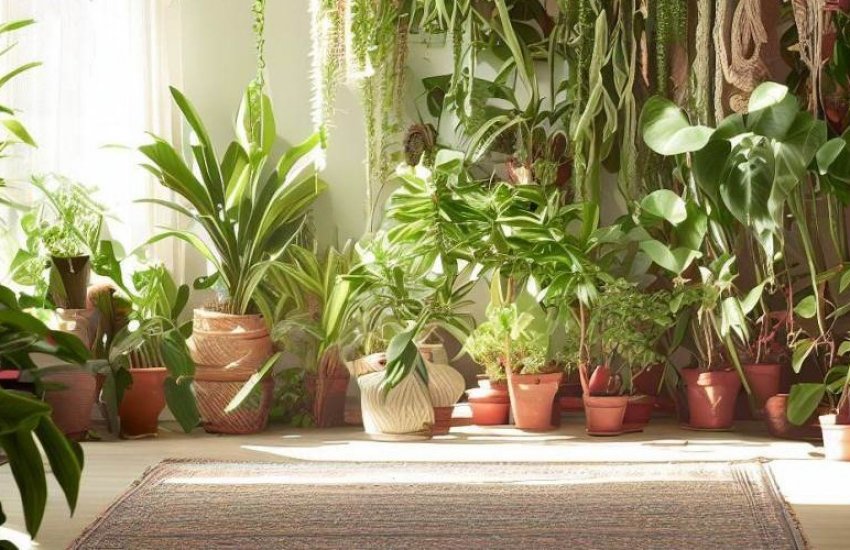
Houseplants bring life, beauty, and fresh air into your home, creating vibrant spaces that uplift your mood and enhance your decor. In our Houseplants category at GardenBotany.com, you'll find easy-to-follow guides and practical tips for choosing, growing, and caring for indoor plants, whether you're a first-time plant parent or a seasoned indoor gardener. Discover the best plants for your space, troubleshoot common issues like pests or watering problems, and learn proven techniques to keep your houseplants thriving, healthy, and beautiful all year round.
Recent Posts of Houseplants - Gardening Ideas
-

Should I prune leggy growth on my indoor pothos?
Yes, you absolutely should prune leggy growth on your indoor Pothos! Leggy growth is a very common issue with Pothos (Epipremnum aureum) and other vining houseplants, and it often indicates that the plant isn't receiving enough light. When a Pothos becomes leggy, its vines stretch out with long sections of bare stem between leaves, making the plant look sparse, straggly, and unhealthy rather than lush and full. Pruning is the best way to address this, transforming a scraggly plant into a vibrant, bushy specimen.
-
How do I clean large houseplant leaves naturally?
Cleaning large houseplant leaves naturally is an essential part of houseplant care that often gets overlooked. Over time, a thin layer of dust accumulates on the surface of leaves. While it might seem harmless, this dust buildup can actually hinder your plant's ability to perform photosynthesis efficiently. Photosynthesis is how plants convert light energy into chemical energy, essentially how they "eat." When dust blocks the light, the plant's food production slows down, leading to less vigorous growth and a dull, unhealthy appearance. Regularly cleaning leaves ensures maximum light absorption, allowing your plants to thrive.
-
Can I use aquarium water to fertilize houseplants?
Yes, you can absolutely use aquarium water to fertilize your houseplants, and it's a practice highly recommended by many plant and aquarium enthusiasts! This technique, often called "aquaponics for houseplants" or simply "fish water fertilizer," is an excellent way to repurpose nutrient-rich water that would otherwise go down the drain during routine aquarium maintenance. Aquarium water is naturally infused with beneficial compounds that act as a gentle, organic fertilizer for your plants, promoting healthier growth and a vibrant appearance.
-
Advertisement
-
What’s the best way to bottom water houseplants?
Bottom watering is a highly effective and often preferred method for hydrating many houseplants, especially those with sensitive foliage or those prone to issues like fungus gnats or root rot. Instead of pouring water directly onto the soil surface, with bottom watering, you allow the plant to soak up water from the bottom of its pot through its drainage holes. This method encourages the roots to grow downwards, seeking out the moisture, which leads to a stronger, more robust root system. It also ensures that the entire root ball is evenly moistened, preventing dry pockets that can occur with top watering, especially in compact or hydrophobic soils.
-
How do I create a DIY aroid potting mix?
Creating a DIY aroid potting mix is a fantastic way to provide your beloved Aroids—like Monstera, Philodendron, Pothos, Anthurium, and Syngonium—with the ideal growing environment. These plants, native to tropical rainforests, thrive in conditions that regular potting soil simply can't match. The goal of a custom aroid mix is to mimic their natural habitat: a substrate that is incredibly well-draining, highly aerated, yet still retains enough moisture to keep their roots hydrated. This balance is key to preventing common issues like root rot, while encouraging robust growth and healthy foliage.
-
What kind of soil do calatheas need?
Calatheas, known for their stunning foliage and unique leaf movements, thrive in a specific type of potting mix that mimics their natural jungle habitat. The ideal soil for a healthy Calathea is one that provides excellent drainage while also retaining adequate moisture. This balance is crucial because Calatheas prefer consistently damp, but not soggy, conditions. A mix that is too dense will lead to waterlogged soil, which can quickly cause root rot, a common killer of these beautiful plants. Conversely, a mix that dries out too quickly will stress the plant, leading to brown leaf edges and a generally unhappy appearance. Therefore, choosing the right Calathea soil blend is paramount for their long-term health and vibrant growth.
-
How to divide and repot a snake plant?
Dividing and repotting a snake plant (Sansevieria trifasciata) is a simple way to create new plants and keep your existing plant healthy. This process is best done when your snake plant has become root-bound, meaning its roots have filled the pot, or when you want to propagate new plants. The ideal time to divide is in the spring or early summer when the plant is actively growing.
-
Can I propagate Pothos in soil instead of water?
The Pothos plant (Epipremnum aureum), often called Devil's Ivy, is arguably one of the most popular and easy-to-grow houseplants. Its trailing vines and heart-shaped leaves, available in various beautiful variegations (like 'Golden', 'Marble Queen', 'Neon', 'N'Joy'), make it a staple in homes, offices, and dorms worldwide. One of its most endearing qualities is how incredibly simple it is to propagate. Most people learn to propagate Pothos by simply sticking a cutting in a glass of water and watching roots magically appear. But this leads to a common question: Can I propagate Pothos in soil instead of water?
-
How do I know when to repot a ZZ plant?
The ZZ plant (Zamioculcas zamiifolia) is a true superstar in the houseplant world. Beloved for its incredibly easy-going nature, glossy dark green foliage, and ability to thrive in even low-light conditions, it's often recommended for beginners or those with a "black thumb." It's famously low-maintenance, requiring infrequent watering and generally forgiving neglect. However, even the most laid-back plant needs a little attention sometimes, and one question often comes up: "How do I know when to repot a ZZ plant?"
-
What temperature is too cold for tropical houseplants?
You love your houseplants. They bring life, color, and a sense of calm to your home. Many of the most popular houseplants, from the luscious Monstera to the elegant Peace Lily and the vibrant Pothos, are actually tropical plants. This means they naturally thrive in warm, humid environments, far from chilly temperatures. But as seasons change, or even with the use of air conditioning, you might start to wonder: what temperature is too cold for my tropical houseplants?