Houseplants Gardening Tips and Plant Care
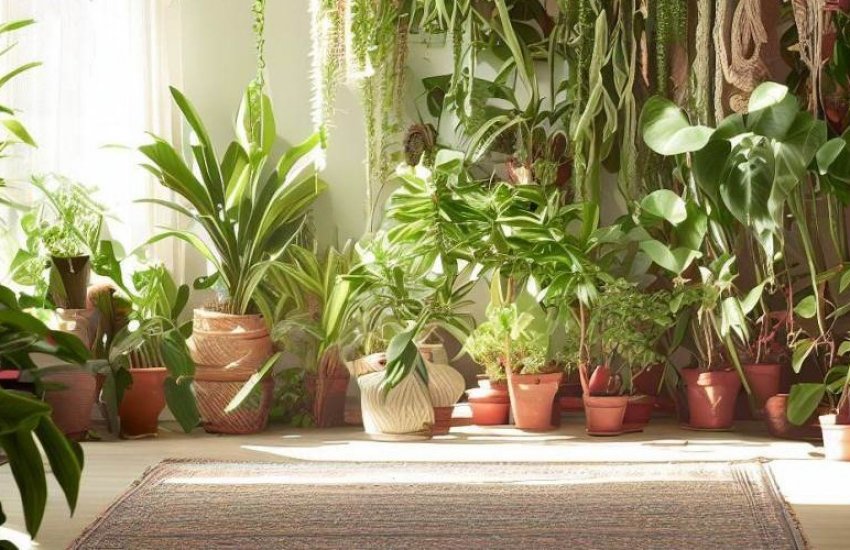
Houseplants bring life, beauty, and fresh air into your home, creating vibrant spaces that uplift your mood and enhance your decor. In our Houseplants category at GardenBotany.com, you'll find easy-to-follow guides and practical tips for choosing, growing, and caring for indoor plants, whether you're a first-time plant parent or a seasoned indoor gardener. Discover the best plants for your space, troubleshoot common issues like pests or watering problems, and learn proven techniques to keep your houseplants thriving, healthy, and beautiful all year round.
Recent Posts of Houseplants - Gardening Ideas
-

What Should I Do If My Alocasia’s Stems Are Turning Soft?
Alocasia plants, with their dramatic foliage and striking presence, are beloved additions to any indoor plant collection. However, like all living things, they can encounter health issues. A particularly alarming symptom for any plant parent is discovering your Alocasia's stems are turning soft. This softness, often accompanied by mushiness or discoloration, is a clear distress signal that demands immediate attention. This guide will delve into the most common reasons behind soft Alocasia stems and provide actionable steps to diagnose, treat, and ultimately revive your treasured plant.
-
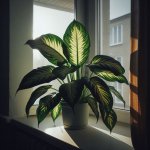
Why Are My Dieffenbachia’s Lower Leaves Yellowing Rapidly?
Observing your Dieffenbachia's lower leaves yellowing rapidly can be a cause for concern, as it often signals an underlying issue that needs prompt attention. While some leaf yellowing is a natural part of a plant's life cycle, a sudden and quick change, especially concentrated on the lower foliage, indicates stress or suboptimal conditions. This comprehensive guide will help you diagnose the specific problem and implement the right strategies to revive your striking houseplant.
-
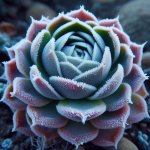
How Can I Tell If My Succulent Is Suffering from Frost Damage?
Succulents are beloved for their unique beauty and low-maintenance reputation, but even these hardy plants have their vulnerabilities. One of the most common and devastating issues, especially for outdoor succulents in cooler climates, is frost damage. It can strike quickly and silently, leaving your once vibrant plants looking distressed. Learning how you can tell if your succulent is suffering from frost damage is crucial for prompt action, as early identification and proper care can sometimes mitigate the harm and give your beloved plants a chance to recover. This guide will help you recognize the tell-tale signs of cold stress and frost bite, providing you with the knowledge to protect and potentially revive your precious succulents.
-
Advertisement
-
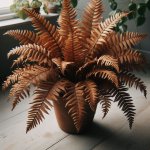
Why Are My Indoor Fern Leaves Turning Dark Brown and Dry?
Ferns are beloved for their lush, feathery foliage, adding a touch of natural elegance to any indoor space. However, many fern enthusiasts eventually face the disheartening sight of their vibrant green fronds turning crispy and dark. If you're asking yourself, "Why are my indoor fern leaves turning dark brown and dry?", you're encountering one of the most common challenges in fern care. This issue almost always points to environmental stress, particularly related to moisture and humidity. Understanding these sensitive plants' needs is the first step to reviving their lush appearance and preventing future browning.
-
How Do I Stop My Fiddle Leaf Fig from Developing Rust Spots?
The Fiddle Leaf Fig (Ficus lyrata) is a stunning houseplant, famous for its large, violin-shaped, glossy green leaves that add a dramatic touch to any interior. However, these beautiful leaves can sometimes develop unsightly reddish-brown spots, often referred to by growers as "rust spots." If you're wondering, "How do I stop my Fiddle Leaf Fig from developing rust spots?" it's crucial to understand that these spots are most commonly a symptom of edema, a water-related issue, rather than a fungal rust disease. Addressing the underlying watering practices and environmental factors is key to keeping your Fiddle Leaf Fig's foliage pristine.
-
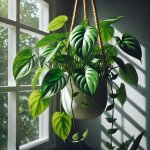
What Causes Yellowing in the New Growth of My Pothos?
Observing yellowing in the new growth of my Pothos can be an alarming sign for any plant parent, especially since Pothos are typically known for their resilience and ease of care. Unlike general yellowing of older leaves, discoloration in fresh foliage often points to specific environmental stressors or nutrient imbalances that impact the plant's developing cells. Understanding these potential causes is crucial for diagnosing the issue accurately and implementing the right adjustments to restore your Pothos plant to its vibrant, verdant glory.
-
Why Is My Money Tree Dropping Its Leaves After Moving It?
Witnessing your once-thriving Money Tree dropping its leaves after a change in location can be a disheartening experience for any plant parent. This common phenomenon, while alarming, is usually a natural response to environmental shifts, as these sensitive plants adjust to their new surroundings. Understanding the specific factors that trigger this leaf shedding and knowing how to mitigate the stress will help you successfully transition your plant and encourage its swift recovery.
-
How Can I Revive My Dying Jade Plant with Black Spots?
Witnessing your once-vibrant jade plant succumb to dark blemishes can be alarming, signalling underlying issues that need immediate attention. Effectively understanding how to revive your dying jade plant with black spots involves a methodical approach to diagnose the problem, implement corrective measures, and establish optimal growing conditions to prevent future decline. This comprehensive guide will walk you through the troubleshooting steps to bring your beloved succulent back to health.
-
Why Does My Spider Plant Have Brown Stripes on the Leaves?
It's a common and often perplexing sight for plant parents when you notice brown stripes on the leaves of your spider plant. These brown marks, whether appearing as streaks along the leaf margins or crisp, dry patches, are usually a clear signal that something in your spider plant's environment or care routine isn't quite right. Don't worry, spider plants are generally resilient, but understanding the specific reasons behind these brown streaks is the first step to helping your beloved plant thrive again. This comprehensive guide will explore all the likely culprits and offer actionable solutions to restore your spider plant's vibrant green and white foliage.
-
How Can I Treat Browning Tips on My Snake Plant?
The snake plant (Sansevieria trifasciata), celebrated for its architectural form, upright sword-like leaves, and remarkable resilience, is a staple in homes and offices around the world. Often touted as virtually indestructible, even this famously low-maintenance houseplant can show signs of distress. One of the most common and perplexing issues is when the tips of its otherwise vibrant green leaves begin to turn brown. If you're observing this unsightly change and wondering, "How can I treat browning tips on my snake plant?" you're not alone. While seemingly robust, understanding the subtle environmental cues and care requirements is key to keeping your snake plant looking its absolute best.