Houseplants Gardening Tips and Plant Care
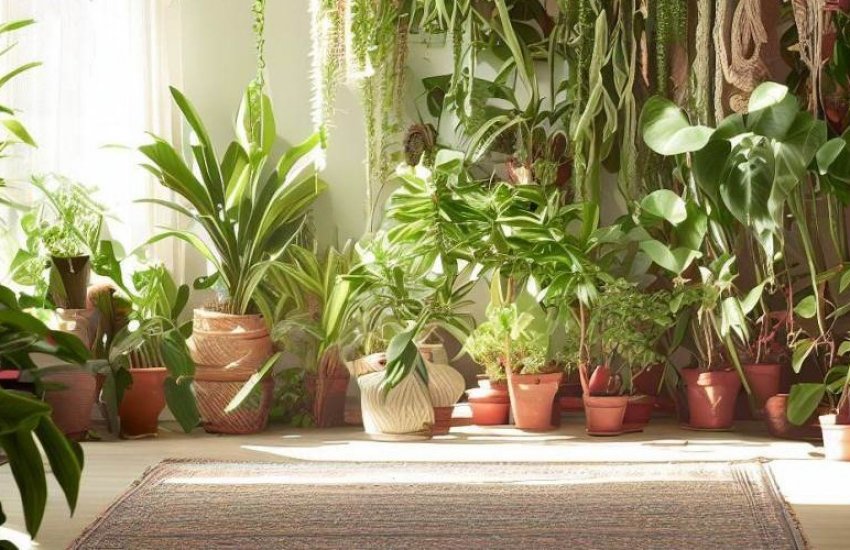
Houseplants bring life, beauty, and fresh air into your home, creating vibrant spaces that uplift your mood and enhance your decor. In our Houseplants category at GardenBotany.com, you'll find easy-to-follow guides and practical tips for choosing, growing, and caring for indoor plants, whether you're a first-time plant parent or a seasoned indoor gardener. Discover the best plants for your space, troubleshoot common issues like pests or watering problems, and learn proven techniques to keep your houseplants thriving, healthy, and beautiful all year round.
Recent Posts of Houseplants - Gardening Ideas
-

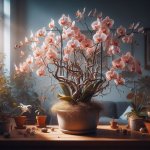
Why Are My Indoor Orchids Dropping Flowers Prematurely?
Orchids, especially the popular Phalaenopsis or "Moth" orchids, are renowned for their exquisite and long-lasting blooms, often gracing our homes for weeks or even months. So, when their beautiful flowers suddenly wilt, shrivel, and drop long before their time, it can be incredibly disheartening. If you're experiencing this frustration and asking, "Why are my indoor orchids dropping flowers prematurely?", you're encountering one of the most common signs of environmental stress for these delicate plants. Understanding the specific triggers, from subtle shifts in temperature to changes in air quality, is crucial for preserving their spectacular floral display.
-
How Can I Get Rid of Whiteflies on My Indoor Mint Plant?
Spotting a cloud of tiny, white, moth-like insects fluttering around your beloved indoor mint plant can be alarming. These are likely whiteflies, persistent sap-sucking pests that can quickly weaken your herbs. If you're wondering how can I get rid of whiteflies on my indoor mint plant?, you're in the right place. Natural, safe, and effective methods are key, especially for an edible plant like mint. This guide will walk you through identification, prevention, and a step-by-step approach to eradicating whiteflies, ensuring your mint stays healthy and ready for your favorite recipes.
-
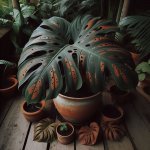
Why Does My Monstera Have Brown Spots on Leaf Edges?
If your Monstera has brown spots on leaf edges, it's most commonly a sign of a watering issue, either too much or too little, or a lack of humidity. These symptoms indicate the plant is struggling to transport water effectively to the leaf margins, causing the tissue to dry out and die.
-
Advertisement
-
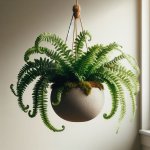
How Can I Fix Curling Leaves on My Boston Fern?
Seeing curling leaves on your Boston fern can be quite alarming for any plant enthusiast. This common issue often signals that your beloved fern is experiencing some form of environmental stress or care imbalance. Understanding the root causes behind this leaf curling is the first step toward restoring your Boston fern to its lush, vibrant glory.
-
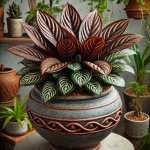
Why Are My Chinese Evergreen’s Leaf Tips Turning Brown?
The vibrant, often variegated foliage of a Chinese Evergreen (Aglaonema) adds a touch of tropical elegance to any indoor space, making it a beloved choice for houseplant enthusiasts. However, it's a common concern for growers to notice their plant's normally lush leaves developing unsightly discoloration. If you're asking, "Why are my Chinese Evergreen's leaf tips turning brown?" rest assured that this is a frequently encountered issue, typically signaling an underlying environmental stressor or watering imbalance that can be readily addressed with proper care adjustments.
-
How Can I Rescue an Overwatered Pothos Plant?
Discovering your beloved Pothos plant suffering from excessive moisture can be disheartening, but fortunately, an overwatered Pothos plant is often salvageable with the right approach. This guide will walk you through the essential steps to revive your ailing plant, focusing on practical solutions to reverse the effects of too much water and bring your Pothos back to vibrant health.
-
Why Are the Stems of My Cactus Turning Brown and Shriveled?
Seeing the stems of my cactus turning brown and shriveled can be a worrying sign for any plant parent. This change in your cactus's appearance usually signals that something is wrong with its health. Cacti are known for being tough and needing little care, so when they start looking unhealthy, it's often a clear indicator that their growing conditions are not quite right. We will explore the common reasons behind this issue and how you can help your prickly friend recover and thrive once more.
-
How to Identify and Treat Leaf Spot Disease on My ZZ Plant?
The ZZ plant (Zamioculcas zamiifolia) is renowned for its incredible resilience, making it a favorite among beginners and busy plant parents alike. However, even this "unkillable" houseplant can sometimes fall victim to issues, and one of the most disheartening can be leaf spot disease. Seeing dark, unsightly spots marring the glossy foliage of your ZZ plant can be alarming. Understanding how to identify and treat leaf spot disease on my ZZ plant is crucial for its recovery and long-term health, ensuring your low-maintenance companion stays as beautiful as it is hardy.
-
Why Is My Rubber Plant Dropping Lower Leaves in Winter?
Rubber plants (Ficus elastica) are popular houseplants known for their striking, glossy, dark green leaves and relatively easy care. However, even these resilient plants can show signs of stress, particularly during the colder months. If you've noticed your once-lush rubber plant dropping lower leaves in winter, it's a common concern among plant parents. This issue usually points to environmental changes that occur when temperatures drop and daylight hours shorten. Understanding these subtle shifts and how they impact your plant's needs is key to keeping it healthy and preventing further leaf loss.
-
How Can I Prevent Root Rot in My Indoor Peace Lily?
The elegant Peace Lily (Spathiphyllum) is a beloved houseplant, admired for its lush green foliage and graceful white spathes. It's often recommended for beginners due to its relatively forgiving nature, especially when it comes to low light conditions. However, there's one common killer that strikes Peace Lilies: root rot. This stealthy disease can quickly turn your vibrant plant into a wilting, yellowing mess. Understanding how to prevent root rot in my indoor Peace Lily is absolutely essential for its long-term health and vibrant appearance, saving you from the heartbreak of losing your cherished plant.