Houseplants Gardening Tips and Plant Care
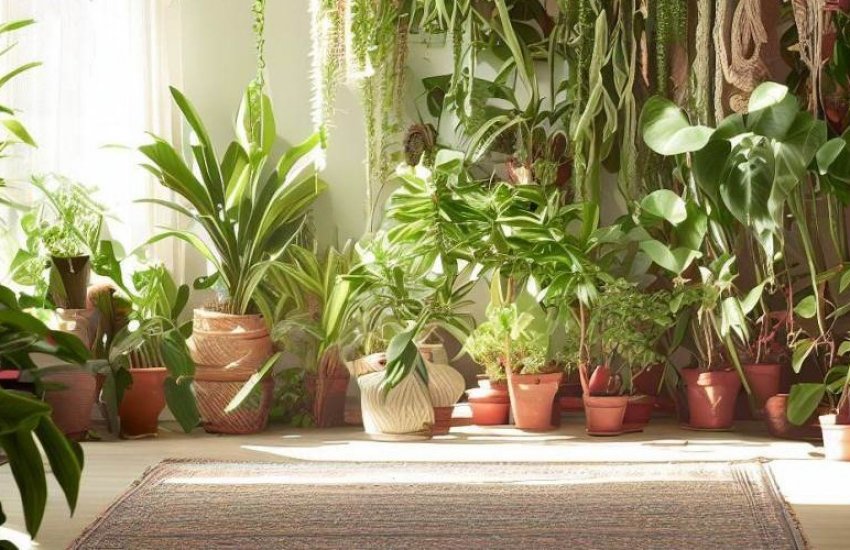
Houseplants bring life, beauty, and fresh air into your home, creating vibrant spaces that uplift your mood and enhance your decor. In our Houseplants category at GardenBotany.com, you'll find easy-to-follow guides and practical tips for choosing, growing, and caring for indoor plants, whether you're a first-time plant parent or a seasoned indoor gardener. Discover the best plants for your space, troubleshoot common issues like pests or watering problems, and learn proven techniques to keep your houseplants thriving, healthy, and beautiful all year round.
Recent Posts of Houseplants - Gardening Ideas
-

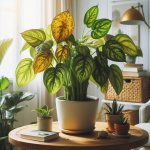
What Should I Do If My Pothos Has Yellow and Brown Spots?
Pothos plants (Epipremnum aureum), often called Devil's Ivy, are celebrated for their incredible hardiness and lush, trailing foliage. They are frequently recommended for beginners due to their ability to tolerate a wide range of conditions. However, even these resilient houseplants can sometimes show signs of distress. If you've noticed your once-vibrant pothos has yellow and brown spots, it's a common concern that signals an underlying issue. Understanding what these spots mean and how to address them is crucial for bringing your plant back to full health. This guide will help you diagnose the problem and provide effective solutions to restore your pothos's vibrant green (or variegated) glory.
-
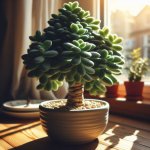
Why Is My Jade Plant Getting Wrinkled Leaves?
A healthy jade plant (Crassula ovata) is typically characterized by plump, glossy, and firm leaves. So, if you're suddenly asking, "Why is my jade plant getting wrinkled leaves?" it's a clear sign that your plant is experiencing some form of stress. Wrinkled, shriveled, or deflated leaves on a jade plant are almost always a cry for help, indicating an imbalance in its environment or care routine. Understanding the specific reasons behind this common symptom is the crucial first step to restoring your beloved jade to its vibrant, robust health. This guide will explore all the likely culprits and offer actionable solutions to get your jade plant's leaves plump and smooth again.
-
How Can I Fix Leaf Curling on My Philodendron Brasil?
The Philodendron 'Brasil' is a beloved houseplant known for its vibrant green and lime-striped heart-shaped leaves, offering a touch of tropical elegance to any space. However, seeing those beautiful leaves start to curl can be a worrying sign. If you're wondering, "How can I fix leaf curling on my Philodendron Brasil?" you're in the right place. Leaf curling is your plant's way of telling you something is amiss in its environment, and understanding the common causes is key to restoring its lush, flat foliage.
-
Advertisement
-
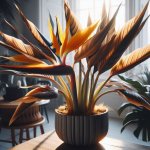
What Causes My Bird of Paradise to Have Crispy Leaf Edges?
The Bird of Paradise plant (Strelitzia reginae) is a truly magnificent tropical specimen, instantly recognizable by its large, paddle-shaped leaves and vibrant, bird-like blooms. When healthy, its foliage is a rich, glossy green, adding a dramatic flair to any indoor space. However, if you're starting to notice that the once-perfect edges of its leaves are turning brown, dry, and crispy, it's a clear sign your plant is unhappy. Understanding what causes my Bird of Paradise to have crispy leaf edges is the first step in diagnosing the problem and adjusting its care to restore its lush, tropical beauty.
-
Why Is My Prayer Plant Folding Its Leaves During the Day?
It's a mesmerizing dance that gives the prayer plant its charming name: the daily ritual of its leaves moving up and down. Typically, prayer plants fold their leaves upwards at night, resembling hands in prayer, and then lower them during the day to maximize light exposure. So, if you're observing your prayer plant folding its leaves during the day, it's a clear sign that something is amiss in its environment or care routine. This unusual behavior indicates your plant is stressed and attempting to protect itself from unfavorable conditions. Understanding the reasons behind this deviation from its natural rhythm is crucial to helping your beautiful prayer plant thrive once again.
-
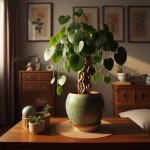
How Do I Stop My Chinese Money Plant Leaves from Drooping?
The Chinese Money Plant (Pilea peperomioides) is a beloved houseplant, cherished for its unique, coin-shaped leaves and relatively easy-going nature. However, seeing those distinctive round leaves start to sag can be a cause for concern. If you're wondering, "How do I stop my Chinese Money Plant leaves from drooping?", you're not alone. Drooping leaves are a common signal that your plant is experiencing some form of stress, often related to its watering schedule, light exposure, or even nutrient levels. Understanding these signals and making timely adjustments to your care routine can quickly help your Pilea regain its perky, upright posture.
-
Why Are My Peace Lily Flowers Turning Brown Too Soon?
It's a common disappointment for Peace Lily owners to find their beautiful white flowers, or spathes, turning brown too soon. These elegant blooms are the signature feature of the plant, and when they begin to fade prematurely, it's a clear sign that something isn't quite right in your plant's environment or care routine. While some browning is natural as the flower ages, widespread or rapid discoloration often indicates underlying stress. Understanding the causes behind your Peace Lily flowers turning brown can help you adjust your care and enjoy longer-lasting blooms.
-
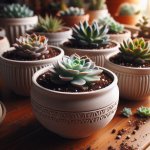
How Do I Keep Mold from Growing on My Indoor Succulent Soil?
Figuring out how to keep mold from growing on indoor succulent soil is a common concern for many plant enthusiasts. That fuzzy white or greenish growth on the soil surface can be alarming, but it's usually a sign of environmental conditions that are too moist for your desert-loving plants. While often harmless to the succulent itself, it indicates an imbalance in care that could eventually lead to more serious issues like root rot. By understanding the causes of mold growth and implementing specific strategies related to watering, soil, light, and air circulation, you can create an environment where your succulents thrive and unsightly mold stays away. This comprehensive guide will walk you through the essential steps to maintain a pristine and healthy soil surface for your beloved succulents.
-
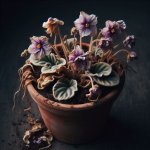
Why Is My African Violet Losing Flowers After Repotting?
It can be disheartening to witness your vibrant African violet suddenly shedding its blossoms. When you observe your African violet losing flowers after repotting, it's a common sign of stress. The plant is reacting to changes in its environment and is prioritizing survival over blooming, redirecting its energy to root recovery rather than maintaining its delicate petals.
-
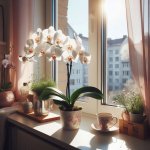
How to Grow Orchids in Small Apartments?
Cultivating beautiful orchids might seem challenging, especially when living in compact urban dwellings, but learning how to grow orchids in small apartments is entirely achievable with the right approach. These elegant flowering plants can bring a touch of the tropics to even the most modest living spaces, provided you understand their specific needs and adapt care strategies to suit limited room and varied light conditions. It's about maximizing every inch and creating an ideal microclimate for these exquisite blooms.