Houseplants Gardening Tips and Plant Care
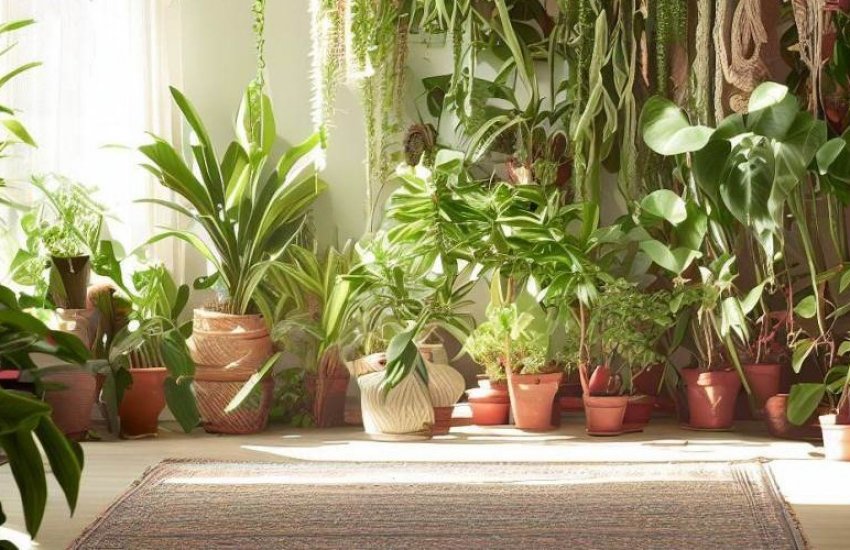
Houseplants bring life, beauty, and fresh air into your home, creating vibrant spaces that uplift your mood and enhance your decor. In our Houseplants category at GardenBotany.com, you'll find easy-to-follow guides and practical tips for choosing, growing, and caring for indoor plants, whether you're a first-time plant parent or a seasoned indoor gardener. Discover the best plants for your space, troubleshoot common issues like pests or watering problems, and learn proven techniques to keep your houseplants thriving, healthy, and beautiful all year round.
Recent Posts of Houseplants - Gardening Ideas
-

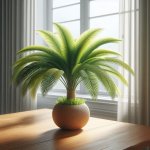
How Often Should I Water My Parlor Palm?
The parlor palm (Chamaedorea elegans) is a true classic among houseplants, beloved for its elegant, feathery fronds and its ability to thrive in less-than-ideal indoor conditions. It's a popular choice for homes and offices alike, bringing a touch of tropical lushness without demanding constant attention. Its graceful silhouette and deep green foliage make it a perfect accent for any decor style, from modern minimalist to cozy bohemian. Many new plant parents choose the parlor palm because it’s known for being relatively easy to care for, forgiving a bit of neglect, and even helping to clean the air.
-
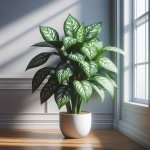
What Light Conditions Are Best for Dumb Cane?
Dumb cane, also known by its scientific name, Dieffenbachia, is a popular houseplant. It adds a touch of the tropics to any room with its large, variegated leaves. Many people enjoy its easy-care nature. However, getting the light just right can sometimes be a puzzle. Understanding its light needs is key to a happy, thriving plant. This guide will help you sort out the best light conditions for your dumb cane, ensuring it grows strong and beautiful.
-
Why Are the Leaves of My Calathea Turning Brown?
Calathea plants, with their stunningly patterned foliage and unique "prayer plant" movement, are undeniably beautiful additions to any indoor space. Their vibrant colors and intricate designs make them highly sought after by plant enthusiasts. However, many owners quickly discover that these tropical beauties can be a bit finicky, and one of the most common and frustrating problems is when their leaves start to turn brown. Understanding why are the leaves of my Calathea turning brown is the first step toward diagnosing the issue and restoring your plant to its lush, healthy self. This comprehensive guide will help you pinpoint the exact cause and implement the right solutions to keep your Calathea thriving.
-
Advertisement
-
What Type of Soil Is Best for Bird of Paradise?
The Bird of Paradise plant (Strelitzia) is a true showstopper, instantly recognizable by its vibrant, crane-like blooms that evoke images of tropical paradises. Even without flowers, its large, banana-like leaves bring a lush, architectural elegance to any space, making it a highly sought-after houseplant. While often admired for its striking appearance, successfully growing a Bird of Paradise hinges on understanding its fundamental needs, and chief among these is the right soil. The potting mix you choose directly impacts how well its roots can breathe, absorb water, and access nutrients, ultimately determining the plant's health and its ability to produce those magnificent flowers. This guide will delve deep into the characteristics of the best soil for Bird of Paradise, explaining why drainage, aeration, and nutrient balance are paramount for its thriving growth.
-
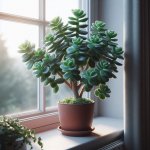
How Often Should You Water a Jade Plant?
The Jade Plant (Crassula ovata) is a true classic among houseplants, cherished for its distinctive thick, fleshy leaves and sturdy, tree-like stems that often take on a reddish tint in bright light. With its miniature tree resemblance, often looking like a tiny bonsai, it adds a touch of serene elegance and vibrant green to any indoor space. Native to the arid regions of South Africa, the Jade Plant is a succulent, meaning it is uniquely adapted to store water in its leaves, stems, and roots. This remarkable ability makes it incredibly drought-tolerant and forgiving, a perfect choice for busy individuals or beginner plant enthusiasts who might occasionally forget to water.
-
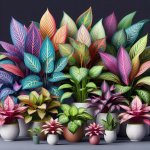
What Are the Common Varieties of Chinese Evergreen?
The Chinese Evergreen (Aglaonema) is a popular and remarkably resilient houseplant, beloved by beginners and experienced plant enthusiasts alike for its stunning foliage and forgiving nature. Native to the tropical and subtropical regions of Asia, this plant has gained immense popularity due to its ability to thrive in various indoor conditions, including lower light levels. What truly sets the Chinese Evergreen apart, however, is the incredible diversity within its genus, boasting a vast array of cultivars that showcase breathtaking patterns, colors, and leaf shapes. Beyond just green, these plants offer splashes of silver, pink, red, and even vibrant yellow, making them a fantastic choice for adding a touch of exotic elegance to any indoor space. Let's delve into the fascinating world of Aglaonema varieties and explore some of the most common and captivating types you can find.
-
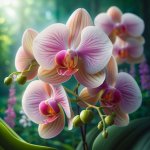
How Often Should You Water a Phalaenopsis Orchid?
Caring for one of the most popular houseplants often brings up the critical question of hydration. Phalaenopsis orchids, commonly known as moth orchids, are renowned for their stunning, long-lasting blooms, making them a favorite among indoor plant enthusiasts. However, determining how often to water a Phalaenopsis orchid is a frequent puzzle, as giving them too much or too little water can quickly lead to their decline. Understanding their unique needs is key to keeping these beautiful plants thriving.
-
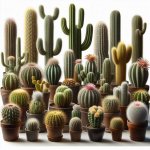
What Are the Most Popular Cactus Species for Home Decor?
When seeking to enhance your indoor living spaces with a touch of the desert, understanding what are the most popular cactus species for home decor is key. These resilient plants, celebrated for their unique forms and minimal care requirements, offer an ideal solution for adding natural beauty to any room. Their striking silhouettes and varied textures provide an architectural element, transforming a simple shelf or windowsill into a captivating display. From compact desk companions to towering floor statements, the right cactus can significantly elevate the aesthetic appeal of your home with its effortless charm.
-
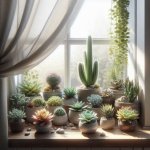
What Are the Best Light Conditions for Succulents?
Succulents have captivated plant enthusiasts worldwide with their unique shapes, vibrant colors, and fascinating ability to thrive in harsh, dry conditions. From the rosette-forming Echeverias to the spiky Agaves and the trailing Sedums, their diverse forms make them incredibly appealing for both indoor décor and outdoor landscaping. They're often hailed as "easy-care" plants, perfect for beginners or those with busy lives. However, there's one critical factor that stands above all others in determining a succulent's health and happiness: light.
-
What Type of Light Is Best for Boston Ferns?
The Boston fern, with its lush, cascading fronds, is a true classic in the world of houseplants. Its elegant appearance and ability to purify the air make it a favorite for adding a touch of natural beauty to any indoor space. However, many plant parents find that their Boston ferns don't always look as vibrant and full as they could. Often, the secret to a thriving, verdant Boston fern lies not just in watering or humidity, but crucially, in providing the right type of light. This plant is particular about its illumination, and understanding its needs is the key to unlocking its full potential.