Gardening Doesn't Have to Be Complicated if You Know What You're Doing

With just a bit of practical knowledge and the right tools, anyone can create a lush, vibrant garden space. Whether you're tending to houseplants, nurturing a vegetable patch, or crafting a backyard oasis, understanding a few fundamental tips can simplify the entire process. At GardenBotany.com, we're here to guide you every step of the way, making gardening enjoyable, stress-free, and accessible for everyone, from complete beginners to seasoned gardeners looking to perfect their green thumbs.
Latest Gardening Posts and Plant Care Tips
-

Why Is My Rubber Plant Dropping Lower Leaves in Winter?
Rubber plants (Ficus elastica) are popular houseplants known for their striking, glossy, dark green leaves and relatively easy care. However, even these resilient plants can show signs of stress, particularly during the colder months. If you've noticed your once-lush rubber plant dropping lower leaves in winter, it's a common concern among plant parents. This issue usually points to environmental changes that occur when temperatures drop and daylight hours shorten. Understanding these subtle shifts and how they impact your plant's needs is key to keeping it healthy and preventing further leaf loss.
-
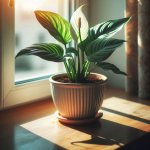
How Can I Prevent Root Rot in My Indoor Peace Lily?
The elegant Peace Lily (Spathiphyllum) is a beloved houseplant, admired for its lush green foliage and graceful white spathes. It's often recommended for beginners due to its relatively forgiving nature, especially when it comes to low light conditions. However, there's one common killer that strikes Peace Lilies: root rot. This stealthy disease can quickly turn your vibrant plant into a wilting, yellowing mess. Understanding how to prevent root rot in my indoor Peace Lily is absolutely essential for its long-term health and vibrant appearance, saving you from the heartbreak of losing your cherished plant.
-
How to Prevent and Manage Snow Mold in Your Lawn?
Preventing snow mold in your lawn relies heavily on proper fall lawn care, including appropriate mowing, dethatching, aeration, and avoiding excessive nitrogen fertilization before winter. Managing existing snow mold involves gently raking affected areas and adjusting spring practices to promote air circulation and recovery.
-
Advertisement
-
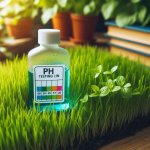
The Importance of pH Balance in Lawns and How to Test It
Achieving a lush, vibrant green lawn often feels like a mystery, but one of the most fundamental secrets lies beneath the surface: the pH balance of your lawn's soil. Just like our bodies need a specific pH level to function optimally, your grass thrives within a narrow pH range. Understanding the importance of pH balance in lawns is crucial, as it directly impacts how well your grass can absorb essential nutrients. This guide will walk you through precisely how to test it and why maintaining the right balance is the cornerstone of a truly healthy lawn.
-
How to Avoid Lawn Scorching from Sun Damage?
Protecting your green space from intense heat is crucial for a healthy and vibrant yard. Lawn scorching from sun damage can turn a lush carpet into an unsightly brown patch, especially during peak summer months or in regions with prolonged dry spells. Understanding how to prevent this common problem involves a combination of smart watering practices, proper mowing techniques, and some helpful preventative measures. This guide will walk you through the essential steps to keep your grass thriving, even under the harshest sun, ensuring your outdoor space remains beautiful and resilient.
-
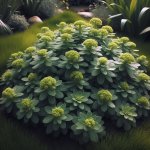
The Complete Guide to Managing Spurge in Lawns
If you're looking for the complete guide to managing spurge in lawns, you're tackling a very common and often frustrating weed challenge. Spurge, particularly common varieties like prostrate spurge and spotted spurge, has an uncanny ability to spread rapidly, forming unsightly mats that choke out desirable turfgrass. Its prolific seed production means that even a few overlooked plants can lead to a significant infestation next season. However, with a combination of cultural practices, manual removal, and targeted treatments, you can effectively control and prevent spurge from taking over your beautiful green space.
-
How to Treat and Prevent Powdery Mildew on Your Lawn?
A healthy, vibrant lawn is a source of pride for any homeowner, but sometimes, a ghostly white film can appear, turning your lush green turf into a powdery landscape. This unsightly visitor is often powdery mildew, a common fungal disease that, while rarely fatal, can weaken your grass and diminish your lawn's aesthetic appeal. If you're seeking to understand how to treat and prevent powdery mildew on your lawn, you've come to the right place. This comprehensive guide will equip you with the knowledge to identify this fungal foe, implement effective treatment strategies, and establish proactive prevention measures, ensuring your lawn remains a picture of health and beauty.
-
What Should I Do If My Pothos Has Yellow and Brown Spots?
Pothos plants (Epipremnum aureum), often called Devil's Ivy, are celebrated for their incredible hardiness and lush, trailing foliage. They are frequently recommended for beginners due to their ability to tolerate a wide range of conditions. However, even these resilient houseplants can sometimes show signs of distress. If you've noticed your once-vibrant pothos has yellow and brown spots, it's a common concern that signals an underlying issue. Understanding what these spots mean and how to address them is crucial for bringing your plant back to full health. This guide will help you diagnose the problem and provide effective solutions to restore your pothos's vibrant green (or variegated) glory.
-
Why Is My Jade Plant Getting Wrinkled Leaves?
A healthy jade plant (Crassula ovata) is typically characterized by plump, glossy, and firm leaves. So, if you're suddenly asking, "Why is my jade plant getting wrinkled leaves?" it's a clear sign that your plant is experiencing some form of stress. Wrinkled, shriveled, or deflated leaves on a jade plant are almost always a cry for help, indicating an imbalance in its environment or care routine. Understanding the specific reasons behind this common symptom is the crucial first step to restoring your beloved jade to its vibrant, robust health. This guide will explore all the likely culprits and offer actionable solutions to get your jade plant's leaves plump and smooth again.
-
How Can I Fix Leaf Curling on My Philodendron Brasil?
The Philodendron 'Brasil' is a beloved houseplant known for its vibrant green and lime-striped heart-shaped leaves, offering a touch of tropical elegance to any space. However, seeing those beautiful leaves start to curl can be a worrying sign. If you're wondering, "How can I fix leaf curling on my Philodendron Brasil?" you're in the right place. Leaf curling is your plant's way of telling you something is amiss in its environment, and understanding the common causes is key to restoring its lush, flat foliage.