Gardening Doesn't Have to Be Complicated if You Know What You're Doing
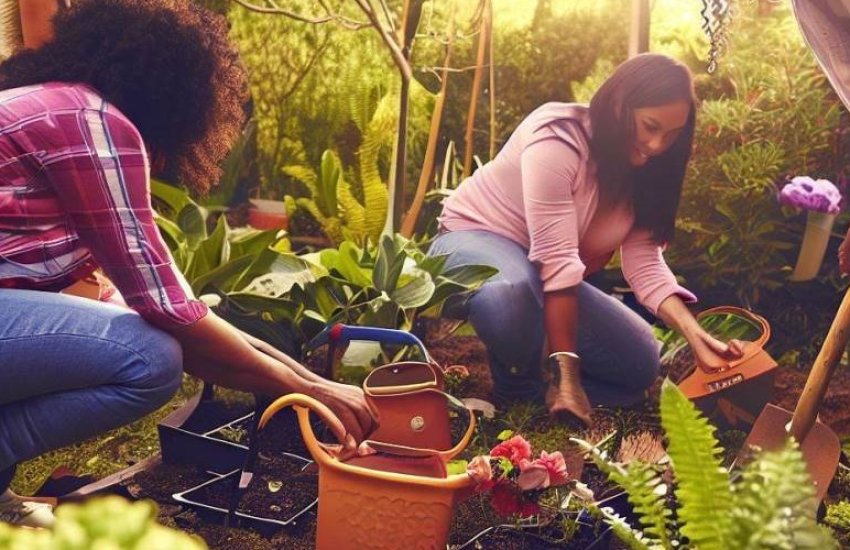
With just a bit of practical knowledge and the right tools, anyone can create a lush, vibrant garden space. Whether you're tending to houseplants, nurturing a vegetable patch, or crafting a backyard oasis, understanding a few fundamental tips can simplify the entire process. At GardenBotany.com, we're here to guide you every step of the way, making gardening enjoyable, stress-free, and accessible for everyone, from complete beginners to seasoned gardeners looking to perfect their green thumbs.
Latest Gardening Posts and Plant Care Tips
-

What Causes My Bird of Paradise to Have Crispy Leaf Edges?
The Bird of Paradise plant (Strelitzia reginae) is a truly magnificent tropical specimen, instantly recognizable by its large, paddle-shaped leaves and vibrant, bird-like blooms. When healthy, its foliage is a rich, glossy green, adding a dramatic flair to any indoor space. However, if you're starting to notice that the once-perfect edges of its leaves are turning brown, dry, and crispy, it's a clear sign your plant is unhappy. Understanding what causes my Bird of Paradise to have crispy leaf edges is the first step in diagnosing the problem and adjusting its care to restore its lush, tropical beauty.
-
Why Is My Prayer Plant Folding Its Leaves During the Day?
It's a mesmerizing dance that gives the prayer plant its charming name: the daily ritual of its leaves moving up and down. Typically, prayer plants fold their leaves upwards at night, resembling hands in prayer, and then lower them during the day to maximize light exposure. So, if you're observing your prayer plant folding its leaves during the day, it's a clear sign that something is amiss in its environment or care routine. This unusual behavior indicates your plant is stressed and attempting to protect itself from unfavorable conditions. Understanding the reasons behind this deviation from its natural rhythm is crucial to helping your beautiful prayer plant thrive once again.
-
How Do I Stop My Chinese Money Plant Leaves from Drooping?
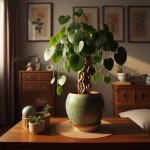
The Chinese Money Plant (Pilea peperomioides) is a beloved houseplant, cherished for its unique, coin-shaped leaves and relatively easy-going nature. However, seeing those distinctive round leaves start to sag can be a cause for concern. If you're wondering, "How do I stop my Chinese Money Plant leaves from drooping?", you're not alone. Drooping leaves are a common signal that your plant is experiencing some form of stress, often related to its watering schedule, light exposure, or even nutrient levels. Understanding these signals and making timely adjustments to your care routine can quickly help your Pilea regain its perky, upright posture.
-
Advertisement
-
Why Are My Peace Lily Flowers Turning Brown Too Soon?
It's a common disappointment for Peace Lily owners to find their beautiful white flowers, or spathes, turning brown too soon. These elegant blooms are the signature feature of the plant, and when they begin to fade prematurely, it's a clear sign that something isn't quite right in your plant's environment or care routine. While some browning is natural as the flower ages, widespread or rapid discoloration often indicates underlying stress. Understanding the causes behind your Peace Lily flowers turning brown can help you adjust your care and enjoy longer-lasting blooms.
-
How Do I Keep Mold from Growing on My Indoor Succulent Soil?
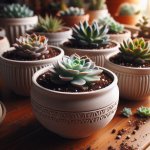
Figuring out how to keep mold from growing on indoor succulent soil is a common concern for many plant enthusiasts. That fuzzy white or greenish growth on the soil surface can be alarming, but it's usually a sign of environmental conditions that are too moist for your desert-loving plants. While often harmless to the succulent itself, it indicates an imbalance in care that could eventually lead to more serious issues like root rot. By understanding the causes of mold growth and implementing specific strategies related to watering, soil, light, and air circulation, you can create an environment where your succulents thrive and unsightly mold stays away. This comprehensive guide will walk you through the essential steps to maintain a pristine and healthy soil surface for your beloved succulents.
-
Why Is My African Violet Losing Flowers After Repotting?
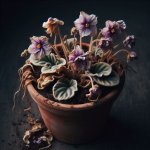
It can be disheartening to witness your vibrant African violet suddenly shedding its blossoms. When you observe your African violet losing flowers after repotting, it's a common sign of stress. The plant is reacting to changes in its environment and is prioritizing survival over blooming, redirecting its energy to root recovery rather than maintaining its delicate petals.
-
Best Organic Fertilizers for Home Gardeners
For home gardeners seeking healthy, thriving plants, the best organic fertilizers nourish both the soil and the plants by providing slow-release nutrients, improving soil structure, and supporting beneficial microbial life. These natural alternatives enhance long-term garden productivity without relying on synthetic chemicals.
-
How to Create a Wildlife-Friendly Organic Garden?
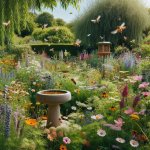
Creating a wildlife-friendly organic garden is a rewarding way to transform your outdoor space into a thriving ecosystem that benefits both nature and your family. It goes beyond simply avoiding harmful chemicals; it's about providing essential resources like food, water, and shelter, while cultivating your plants using sustainable, natural methods. This comprehensive guide will walk you through the key principles and practical steps to design, plant, and maintain an organic garden that welcomes birds, butterflies, bees, and other beneficial creatures, turning your yard into a vibrant haven for local biodiversity.
-
What Are the Benefits of Mulching Your Garden?
Mulching your garden is one of the simplest yet most impactful practices you can adopt to significantly improve the health and vigor of your plants while reducing maintenance. This versatile layer of material, whether organic or inorganic, spread over the soil surface brings a surprising array of advantages that benefit everything from tiny seedlings to mature trees. Understanding the numerous benefits of mulching can transform your gardening efforts, making your plants happier, your soil healthier, and your time spent weeding far less. Let's delve into why this essential technique is a game-changer for any gardener.
-
Natural Ways to Control Aphids in Your Garden
Aphids are tiny, soft-bodied insects that can quickly become a big problem in any garden. They suck the sap from plants, weakening them and causing distorted growth. If you've spotted these common pests on your prized roses or vegetable plants, you're likely looking for natural ways to control aphids in your garden. The good news is that many effective and eco-friendly methods exist. These strategies help keep your plants healthy without resorting to harsh chemicals.