Gardening Doesn't Have to Be Complicated if You Know What You're Doing
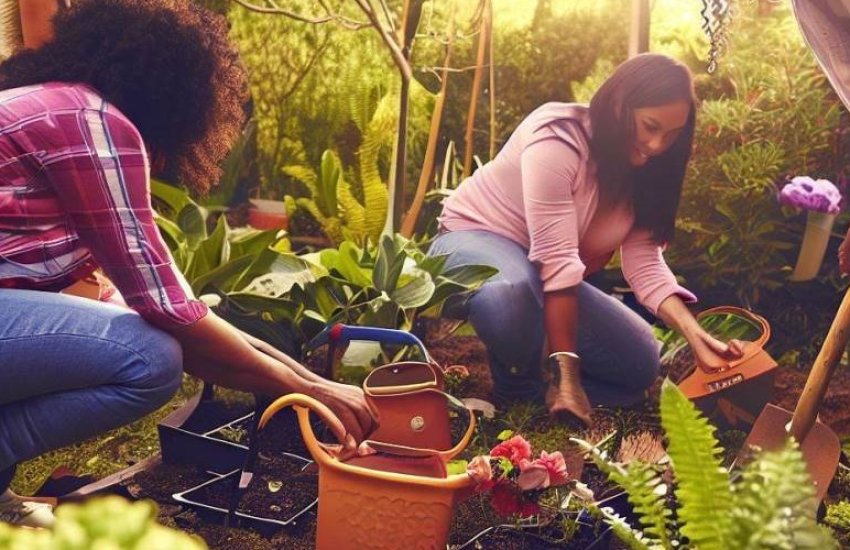
With just a bit of practical knowledge and the right tools, anyone can create a lush, vibrant garden space. Whether you're tending to houseplants, nurturing a vegetable patch, or crafting a backyard oasis, understanding a few fundamental tips can simplify the entire process. At GardenBotany.com, we're here to guide you every step of the way, making gardening enjoyable, stress-free, and accessible for everyone, from complete beginners to seasoned gardeners looking to perfect their green thumbs.
Latest Gardening Posts and Plant Care Tips
-

How to Grow Native Plants for Pollinators?
To grow native plants for pollinators, begin by identifying your specific ecoregion and selecting a diverse range of native species that provide continuous blooms from early spring to late fall. Focus on providing nectar and pollen for adult pollinators, and crucial host plants for their larvae, while strictly avoiding pesticides to ensure a healthy habitat.
-
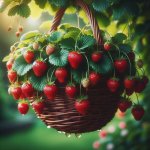
How to Grow Strawberries in Hanging Baskets?
Cultivating your own sweet, juicy strawberries can be incredibly rewarding, and for those with limited garden space, growing strawberries in hanging baskets offers a perfect solution. This method not only saves ground space but also keeps the ripening berries off the soil, reducing the risk of pests and fungal diseases. Imagine stepping out onto your patio or balcony and plucking fresh, sun-ripened fruit directly from an elevated display. This guide will walk you through everything you need to know to achieve a bountiful harvest of delicious berries right at eye level.
-
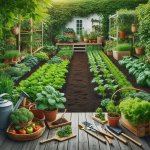
Vegetable Gardening for Beginners: A Step-by-Step Guide
Embarking on vegetable gardening for beginners is a rewarding journey that connects you with nature and provides fresh, healthy produce right from your backyard. Starting a garden may seem daunting at first, but with a clear, step-by-step approach, anyone can cultivate a thriving plot. From planning your layout to harvesting your first crops, this guide will simplify the process, helping you lay a strong foundation for gardening success.
-
Advertisement
-
How to Plant a Pollinator-Friendly Flower Garden?
Creating a pollinator-friendly garden is a wonderful way to help nature right in your own backyard. These special gardens provide food and shelter for creatures that are vital to our planet's health. Think about bees, butterflies, hummingbirds, and even some bats – they all play a big role in helping plants make seeds and fruits. Without them, many of the foods we eat wouldn't exist!
-
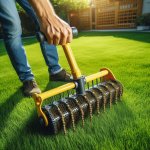
How to Aerate Your Lawn for Better Growth?
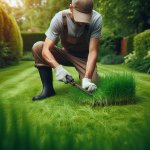
To aerate your lawn for better growth is one of the most beneficial treatments you can give your grass. Over time, soil can become compacted from foot traffic, heavy rain, and even mowing, suffocating grass roots. Aeration creates small holes in the soil, allowing air, water, and nutrients to penetrate deeper, leading to a healthier, more vibrant lawn.
-
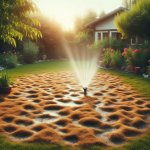
Why Is My Lawn Turning Brown in Summer?
Discovering that your once-vibrant green lawn has started to develop unsightly brown patches or is entirely turning brown in summer can be incredibly frustrating for any homeowner. This common warm-weather phenomenon often signals that your lawn is under stress, and identifying the exact cause is crucial for effective treatment and recovery. From drought and improper watering to pests, diseases, and even pet waste, understanding why is my lawn turning brown in summer will help you diagnose the issue and implement the right solutions to bring back its lush, green appearance.
-
How to Get Rid of Crabgrass Without Chemicals?
That unsightly, coarse-bladed grass spreading through your otherwise manicured lawn is most likely crabgrass. This common annual weed can quickly take over, especially during hot summer months, becoming a major frustration for homeowners. While chemical herbicides offer a quick fix, many people are increasingly seeking safer, more eco-friendly alternatives. Learning how to get rid of crabgrass without chemicals is entirely achievable and often leads to a healthier, more resilient lawn in the long run. This comprehensive guide will arm you with effective natural strategies, from prevention to manual removal, ensuring your lawn stays crabgrass-free the natural way.
-
Best Fertilizer for Lawns in Spring
The best fertilizer for lawns in spring depends primarily on your grass type and specific lawn needs, but generally, a slow-release nitrogen-heavy fertilizer with a balanced amount of phosphorus and potassium is ideal. Prioritize products designed to promote healthy root development and green-up without excessive top growth.
-
How to Fix Overwatered Potted Plants?
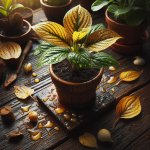
Discovering your beloved potted plants displaying signs of distress can be disheartening, and often, the culprit is inadvertently providing too much hydration. Learning how to fix overwatered potted plants is a fundamental skill for any indoor gardener, enabling you to revive struggling greenery and establish healthier watering habits. Recognizing the symptoms early and taking swift, appropriate action can often reverse the damage and set your plants back on a path to flourishing.
-
Why Are My Tomatoes Cracking on the Vine?
Discovering ripe, juicy tomatoes split open can be disheartening for any gardener, prompting the common query, "Why are my tomatoes cracking on the vine?" This frustrating phenomenon, known as tomato cracking or splitting, is a physiological disorder primarily caused by fluctuations in moisture and temperature, leading to rapid changes in fruit expansion. Understanding the underlying environmental triggers and implementing consistent care practices can significantly reduce the occurrence of these unsightly splits, ensuring a more abundant harvest of perfect, unblemished fruit.