Gardening Doesn't Have to Be Complicated if You Know What You're Doing

With just a bit of practical knowledge and the right tools, anyone can create a lush, vibrant garden space. Whether you're tending to houseplants, nurturing a vegetable patch, or crafting a backyard oasis, understanding a few fundamental tips can simplify the entire process. At GardenBotany.com, we're here to guide you every step of the way, making gardening enjoyable, stress-free, and accessible for everyone, from complete beginners to seasoned gardeners looking to perfect their green thumbs.
Latest Gardening Posts and Plant Care Tips
-

Setting Up a Solar-Powered Garden Light System
Setting up a solar-powered garden light system involves choosing the right lights for your needs, understanding solar panel placement, and ensuring proper installation for optimal performance. This eco-friendly lighting solution utilizes the sun's energy, providing illumination without increasing your electricity bill or requiring complex wiring.
-
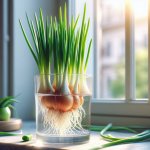
How to Grow Onions from Kitchen Scraps: A Simple Guide
You can grow onions from kitchen scraps by taking the root end of a discarded onion, placing it in water to sprout new roots and green shoots, and then transplanting it into soil. This method is a fantastic way to reduce food waste and enjoy fresh green onions or even a new onion bulb with minimal effort.
-
How to Prune Fruit Trees for Better Yield?
Pruning fruit trees for better yield involves strategic removal of branches to encourage fruit production, improve fruit quality, and maintain tree health and structure. The primary goals are to ensure adequate sunlight penetration, promote strong scaffolding, and balance vegetative growth with fruiting.
-
Advertisement
-
How to Grow Medicinal Plants in Your Backyard?
You can absolutely grow medicinal plants in your backyard, creating a thriving herbal apothecary right at home with careful planning and attention to their specific needs. This guide will walk you through the entire process, from selecting the right plants to harvesting and utilizing your homegrown remedies.
-
How to Create a Garden Layout for Small Spaces?
To create a garden layout for small spaces, focus on maximizing vertical growth, utilizing containers, and selecting compact or multi-functional plant varieties. Strategic design principles like zoning and thoughtful pathways can make even the tiniest area feel expansive and productive.
-
How to Control Slugs Organically in Your Garden?
To control slugs organically in your garden, focus on creating an environment that discourages them while encouraging their natural predators. This involves a combination of cultural practices, physical barriers, traps, and natural repellents to protect your plants without harmful chemicals.
-
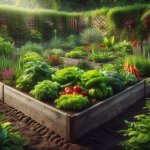
Benefits of Using Raised Beds for Vegetable Gardening
Using raised beds for vegetable gardening offers numerous benefits, including improved soil quality, better drainage, extended growing seasons, and easier accessibility. These advantages lead to healthier plants and often higher yields, making them an excellent choice for both beginner and experienced gardeners.
-
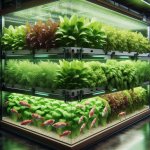
How to Set Up an Aquaponic Garden at Home?
To set up an aquaponic garden at home, you integrate aquaculture (raising fish) with hydroponics (growing plants without soil) into a symbiotic system where fish waste provides nutrients for plants, and plants filter the water for the fish. This creates a sustainable, productive, and efficient food-growing method perfect for indoor or outdoor use.
-
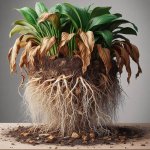
How to Identify and Treat Root Rot in Plants?
Root rot is a common and often fatal plant disease caused by overwatering or poorly draining soil, leading to the decay of a plant's root system. Identifying it involves checking for specific visual cues above and below ground, while effective treatment primarily focuses on immediate remediation of soil conditions and careful root pruning.
-
How to Grow Edible Flowers in Your Garden?
To grow edible flowers in your garden, select varieties known to be safe for consumption and choose a location with appropriate sunlight and well-draining soil. Ensure they are grown organically, free from pesticides, and harvested at their peak for optimal flavor and beauty in your culinary creations.