Gardening Gardening Tips and Plant Care
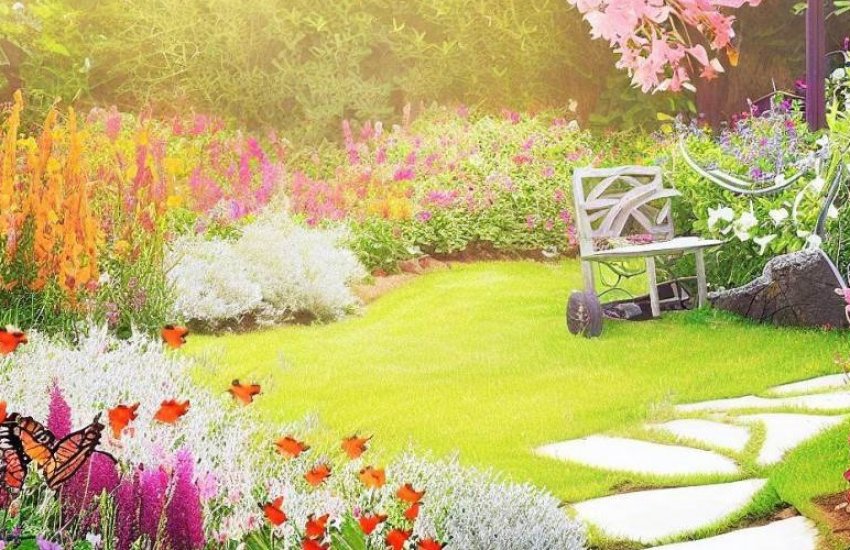
Gardening is more than just planting seeds—it's a rewarding journey filled with growth, learning, and the joy of nurturing life. In our Gardening category at GardenBotany.com, you'll discover practical tips, step-by-step guides, and expert advice to help you cultivate thriving plants, whether you're growing vibrant flowers, delicious vegetables, or lush greenery. From understanding plant care basics to mastering advanced gardening techniques, we simplify the process so you can confidently create and maintain a beautiful, healthy garden, season after season.
Recent Posts of Gardening - Gardening Ideas
-

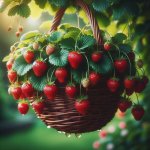
How to Grow Strawberries in Hanging Baskets?
Cultivating your own sweet, juicy strawberries can be incredibly rewarding, and for those with limited garden space, growing strawberries in hanging baskets offers a perfect solution. This method not only saves ground space but also keeps the ripening berries off the soil, reducing the risk of pests and fungal diseases. Imagine stepping out onto your patio or balcony and plucking fresh, sun-ripened fruit directly from an elevated display. This guide will walk you through everything you need to know to achieve a bountiful harvest of delicious berries right at eye level.
-
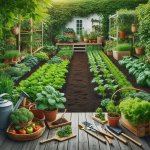
Vegetable Gardening for Beginners: A Step-by-Step Guide
Embarking on vegetable gardening for beginners is a rewarding journey that connects you with nature and provides fresh, healthy produce right from your backyard. Starting a garden may seem daunting at first, but with a clear, step-by-step approach, anyone can cultivate a thriving plot. From planning your layout to harvesting your first crops, this guide will simplify the process, helping you lay a strong foundation for gardening success.
-
How to Plant a Pollinator-Friendly Flower Garden?
Creating a pollinator-friendly garden is a wonderful way to help nature right in your own backyard. These special gardens provide food and shelter for creatures that are vital to our planet's health. Think about bees, butterflies, hummingbirds, and even some bats – they all play a big role in helping plants make seeds and fruits. Without them, many of the foods we eat wouldn't exist!
-
Advertisement
-
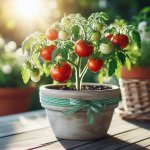
How to Grow Tomatoes in Containers Successfully?
Learning how to grow tomatoes in containers successfully can transform even the smallest balcony or patio into a productive edible garden. Cultivating these popular fruits in pots offers flexibility, control over soil conditions, and the ability to move plants for optimal sunlight. With the right approach, anyone can enjoy a bountiful harvest of fresh, delicious tomatoes without needing a large garden plot.
-
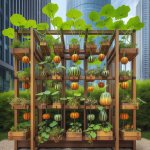
How to Grow Pumpkins in Small Spaces?
Cultivating your own vibrant orange gourds for fall decor or delicious pies is a classic autumn tradition, but for many, the sprawling nature of pumpkin vines seems incompatible with limited garden space. Fortunately, learning how to grow pumpkins in small spaces is entirely possible with smart planning and the right techniques. You don't need a sprawling farm to enjoy fresh, homegrown pumpkins; clever container choices, vertical support, and specific variety selection can transform even a tiny patio or balcony into a productive pumpkin patch. This comprehensive guide will show you exactly how to achieve a bountiful harvest, no matter how limited your growing area.
-
How to Make a Raised Garden Bed with Cinder Blocks?
For aspiring and experienced gardeners alike, raised garden beds offer a plethora of advantages, from better drainage to easier access and extended growing seasons. While various materials can be used for their construction, cinder blocks stand out as an incredibly practical, durable, and cost-effective option. If you're looking for a straightforward, sturdy solution and asking, "How to make a raised garden bed with cinder blocks?" you've chosen a method that combines simplicity with longevity. This guide will walk you through every step of planning, constructing, and filling your cinder block raised bed, empowering you to create a thriving gardening space with minimal fuss.
-
How to Create a Fire-Safe Landscape Around Your Home?
Developing a fire-safe landscape around your home is a proactive and critical step, particularly if you reside in an area prone to wildfires. This strategic approach, often referred to as defensible space landscaping, focuses on modifying vegetation and materials to reduce a property's vulnerability to wildfire ignition and spread. By carefully selecting fire-resistant plants, maintaining clear zones, and implementing smart design principles, you can significantly enhance your home's protection, creating a buffer that slows or even stops the advance of flames. This comprehensive guide will outline the essential elements and practical steps to design and maintain a landscape that prioritizes safety while remaining aesthetically pleasing.
-
Best Plants to Grow for Natural Dyeing
The best plants to grow for natural dyeing include Madder, Indigo, Coreopsis, Marigolds, Weld, and Osage Orange, offering a spectrum of rich, colorfast hues from reds and blues to yellows and browns. Cultivating your own dye plants provides a sustainable and incredibly rewarding way to create vibrant, eco-friendly textiles.
-
How to Start a Native Plant Garden for Wildlife?
Embarking on the creation of an ecological oasis in your own backyard is a deeply rewarding endeavor. You're likely curious about how to cultivate a flourishing sanctuary using flora indigenous to your region, designed to support local fauna. Learning how to start a native plant garden for wildlife involves understanding the intricate relationships between local plants and the animals that depend on them. This approach not only beautifies your landscape but also provides essential food, shelter, and breeding grounds for a diverse array of insects, birds, and small mammals, contributing significantly to local biodiversity.
-
Best Organic Pesticides for Vegetable Gardens
The best organic pesticides for vegetable gardens focus on natural substances derived from plants, minerals, or beneficial microbes, offering effective pest control with minimal environmental impact and reduced risk to human health. Options like neem oil, insecticidal soaps, and Bacillus thuringiensis (Bt) are highly effective when integrated into an overall pest management strategy.