Gardening Doesn't Have to Be Complicated if You Know What You're Doing

With just a bit of practical knowledge and the right tools, anyone can create a lush, vibrant garden space. Whether you're tending to houseplants, nurturing a vegetable patch, or crafting a backyard oasis, understanding a few fundamental tips can simplify the entire process. At GardenBotany.com, we're here to guide you every step of the way, making gardening enjoyable, stress-free, and accessible for everyone, from complete beginners to seasoned gardeners looking to perfect their green thumbs.
Latest Gardening Posts and Plant Care Tips
-

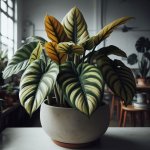
How to Prevent Yellowing in the Inner Leaves of My Philodendron?
Seeing yellowing leaves on your philodendron can be disheartening, especially when it's the inner leaves turning that tell-tale shade. This often indicates an underlying issue with your plant's care, and understanding the common culprits can help you prevent further yellowing and restore your philodendron to its lush, green glory. Addressing these issues promptly is key to maintaining a healthy and vibrant philodendron.
-
Why Is My Rubber Plant Shedding Leaves in Low Humidity?
If you're noticing your rubber plant shedding leaves in low humidity, it's a clear sign your beloved Ficus elastica is struggling with its environment. These popular houseplants, known for their glossy, deep green foliage, originate from tropical regions where humidity is naturally high. When placed in drier indoor conditions, especially during winter months when heating systems dry out the air, they often react by dropping their lower leaves. Understanding this common issue and how to fix it can help your rubber plant thrive.
-
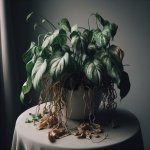
How to Revive a Wilted Pothos After Severe Underwatering?
Discovering your vibrant pothos suddenly looking limp and lifeless can be a moment of panic for any plant parent. If you're facing this common scenario and wondering how to revive a wilted pothos after severe underwatering, rest assured that these resilient plants often bounce back with the right care. While the sight of drooping leaves might seem dire, a strategic and gentle approach to rehydration can frequently bring your pothos back from the brink of desiccation, restoring its lush foliage and trailing beauty.
-
Advertisement
-
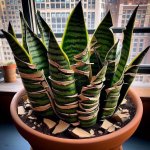
Why Are My Snake Plant Leaves Splitting and Cracking?
Discovering why your snake plant leaves are splitting and cracking can be concerning for any plant parent. While Sansevieria (commonly known as snake plants) are renowned for their hardiness and low-maintenance nature, changes in their typically rigid, upright foliage often signal an underlying environmental stress or care issue. Understanding the root causes behind these splits and cracks is key to restoring your plant's iconic appearance and ensuring its continued health.
-
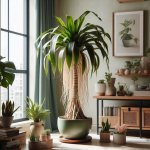
How Can I Fix Drooping Leaves on My Indoor Dracaena?
Dracaena plants, with their elegant sword-like leaves and architectural stems, are popular choices for adding a touch of the tropics to indoor spaces. They are generally considered low-maintenance, but even these resilient plants can show signs of distress. One of the most common and alarming symptoms is when their once upright leaves begin to droop. If you're wondering, "How can I fix drooping leaves on my indoor Dracaena?" you're in the right place. Drooping leaves are a clear signal that your plant is unhappy, and understanding the underlying cause is the first step toward reviving its vibrant display.
-
What Should I Do If My Alocasia’s Stems Are Turning Soft?
Alocasia plants, with their dramatic foliage and striking presence, are beloved additions to any indoor plant collection. However, like all living things, they can encounter health issues. A particularly alarming symptom for any plant parent is discovering your Alocasia's stems are turning soft. This softness, often accompanied by mushiness or discoloration, is a clear distress signal that demands immediate attention. This guide will delve into the most common reasons behind soft Alocasia stems and provide actionable steps to diagnose, treat, and ultimately revive your treasured plant.
-
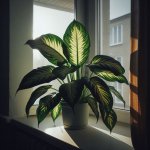
Why Are My Dieffenbachia’s Lower Leaves Yellowing Rapidly?
Observing your Dieffenbachia's lower leaves yellowing rapidly can be a cause for concern, as it often signals an underlying issue that needs prompt attention. While some leaf yellowing is a natural part of a plant's life cycle, a sudden and quick change, especially concentrated on the lower foliage, indicates stress or suboptimal conditions. This comprehensive guide will help you diagnose the specific problem and implement the right strategies to revive your striking houseplant.
-
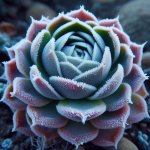
How Can I Tell If My Succulent Is Suffering from Frost Damage?
Succulents are beloved for their unique beauty and low-maintenance reputation, but even these hardy plants have their vulnerabilities. One of the most common and devastating issues, especially for outdoor succulents in cooler climates, is frost damage. It can strike quickly and silently, leaving your once vibrant plants looking distressed. Learning how you can tell if your succulent is suffering from frost damage is crucial for prompt action, as early identification and proper care can sometimes mitigate the harm and give your beloved plants a chance to recover. This guide will help you recognize the tell-tale signs of cold stress and frost bite, providing you with the knowledge to protect and potentially revive your precious succulents.
-
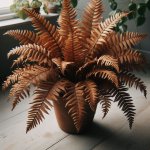
Why Are My Indoor Fern Leaves Turning Dark Brown and Dry?
Ferns are beloved for their lush, feathery foliage, adding a touch of natural elegance to any indoor space. However, many fern enthusiasts eventually face the disheartening sight of their vibrant green fronds turning crispy and dark. If you're asking yourself, "Why are my indoor fern leaves turning dark brown and dry?", you're encountering one of the most common challenges in fern care. This issue almost always points to environmental stress, particularly related to moisture and humidity. Understanding these sensitive plants' needs is the first step to reviving their lush appearance and preventing future browning.
-
How Do I Stop My Fiddle Leaf Fig from Developing Rust Spots?
The Fiddle Leaf Fig (Ficus lyrata) is a stunning houseplant, famous for its large, violin-shaped, glossy green leaves that add a dramatic touch to any interior. However, these beautiful leaves can sometimes develop unsightly reddish-brown spots, often referred to by growers as "rust spots." If you're wondering, "How do I stop my Fiddle Leaf Fig from developing rust spots?" it's crucial to understand that these spots are most commonly a symptom of edema, a water-related issue, rather than a fungal rust disease. Addressing the underlying watering practices and environmental factors is key to keeping your Fiddle Leaf Fig's foliage pristine.