Gardening Doesn't Have to Be Complicated if You Know What You're Doing
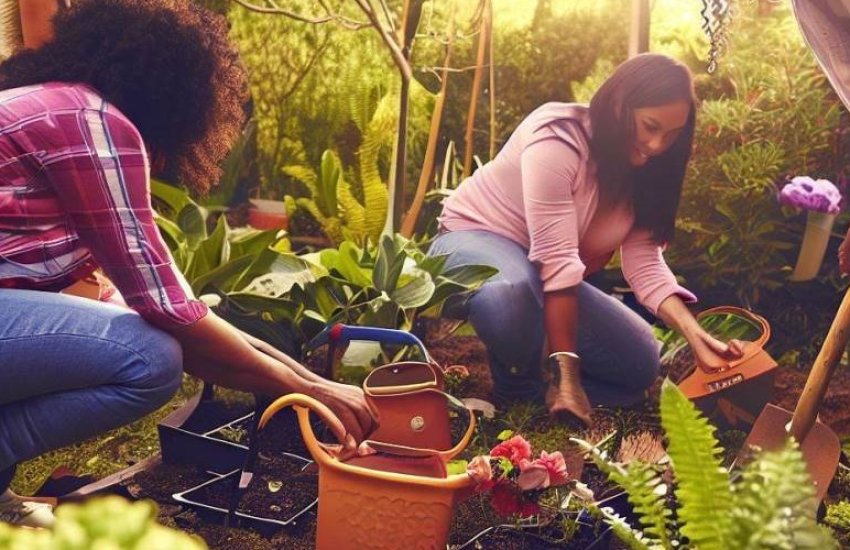
With just a bit of practical knowledge and the right tools, anyone can create a lush, vibrant garden space. Whether you're tending to houseplants, nurturing a vegetable patch, or crafting a backyard oasis, understanding a few fundamental tips can simplify the entire process. At GardenBotany.com, we're here to guide you every step of the way, making gardening enjoyable, stress-free, and accessible for everyone, from complete beginners to seasoned gardeners looking to perfect their green thumbs.
Latest Gardening Posts and Plant Care Tips
-

Stress-Free Plant Care Routine: Keep Your Plants Happy, Keep Your Sanity Intact
You love the idea of a home filled with lush, vibrant greenery. Plants bring life, purify the air, and add a touch of natural beauty that can transform any space. But let's be honest: the reality of plant care can sometimes feel overwhelming. Fear of killing your leafy friends, confusion over watering schedules, or simply not enough time in your busy day can turn the joy of plant ownership into a source of stress. You want thriving plants, not a green graveyard! That's why you need a stress-free plant care routine.
-
Best Indoor Plants for Professionals: Greenery Without the Grind
As a busy professional, your days are likely packed with meetings, deadlines, and a constant flow of tasks. The last thing you need is another chore, especially one that wilts and dies if you miss a day. Yet, you crave that touch of nature, the calming green presence that can transform a sterile office or a busy home into a more inviting and refreshing space. That's where the best indoor plants for professionals come in. These are the unsung heroes of the plant world – resilient, forgiving, and beautiful, requiring minimal fuss but offering maximum impact.
-
Low-Maintenance Indoor Plants You'll Actually Keep Alive
Have you ever brought home a beautiful plant, full of hope, only to watch it slowly wilt and die despite your best intentions? You're not alone! Life gets busy. We forget to water, we overwater, we don't have perfect light. But the dream of a green, vibrant home doesn't have to die with your last plant. That's why you need low-maintenance indoor plants. These are the plant superheroes that forgive your forgetfulness, tolerate less-than-ideal conditions, and still manage to look fantastic.
-
Advertisement
-
Houseplant Care for Busy People: Thrive, Not Just Survive!
Are you a busy person? Do you dream of a lush, green home, but worry you don't have the time for plants? You're not alone! Many people think houseplant care is a huge time commitment. But what if I told you it doesn't have to be? This guide, designed for even the busiest schedules, will show you how to enjoy beautiful plants without the stress. We'll cover everything from choosing the right plants to smart watering and feeding. Get ready to transform your living space into a green oasis!
-
Easy Houseplant Care Tips: Your Guide to a Green Thumb
Do you dream of a home filled with lush, green houseplants but worry you don't have a green thumb? Think again! Caring for houseplants doesn't have to be complicated. With a few easy houseplant care tips, anyone can create a vibrant indoor oasis. Forget the fear of wilting leaves and sad-looking pots. We're here to show you how simple it can be to keep your plants happy and thriving.
-
What are the best moss poles for climbing plants?
The best moss poles for climbing plants are those that closely mimic the natural environment of epiphytic and hemi-epiphytic plants, providing a moist, textured surface for aerial roots to attach and grow into. These plants, like many Aroids (Monstera, Philodendron, Pothos), naturally climb trees in their native habitats, using their aerial roots to absorb moisture and nutrients from the bark and surrounding air. A good moss pole, therefore, offers not just physical support but also a crucial source of hydration and nutrients, encouraging larger leaves and more vigorous growth. Sphagnum moss poles are generally considered superior due to their excellent water retention properties.
-
How do I encourage bushier growth on my pothos?
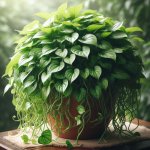
To encourage bushier growth on your Pothos, the most effective strategy is consistent pruning and ensuring adequate light. Pothos naturally tends to grow long, trailing vines, which can lead to a sparse appearance at the top of the plant. When you prune, you cut the tips of these vines, which signals the plant to activate dormant growth nodes (called axillary buds) further down the stem. This results in new side shoots emerging, making the plant look fuller and more compact. Combining regular trimming with sufficient bright, indirect light provides the ideal conditions for a dense, luxuriant Pothos.
-
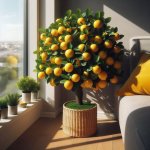
Can I grow a dwarf citrus tree inside?
Yes, you absolutely can grow a dwarf citrus tree inside, and it's a wonderfully rewarding experience to harvest your own fresh lemons, limes, or oranges right from your living room! Dwarf citrus trees are specially grafted varieties that stay compact, making them perfect for container growing indoors. While they can thrive inside, they do have specific needs that must be met to ensure they fruit and stay healthy. The most critical factors are abundant light, consistent watering, high humidity, and proper fertilization. With the right care, these trees can bring beautiful foliage, fragrant blossoms, and delicious fruit to your home year-round.
-
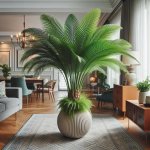
What’s the ideal care routine for a parlor palm?
The ideal care routine for a parlor palm (Chamaedorea elegans) focuses on mimicking its natural understory habitat: bright, indirect light, consistent moisture without waterlogging, and moderate to high humidity. These popular houseplants are known for being relatively low-maintenance and tolerant of various indoor conditions, making them excellent choices for beginners. However, providing the right environment will ensure your palm remains lush and vibrant. Key practices include placing it in a well-lit spot away from direct sun, watering when the top few inches of soil are dry, and protecting it from dry air and sudden temperature changes.
-
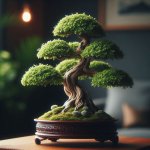
How do I care for a Chinese elm bonsai indoors?
Caring for a Chinese Elm bonsai indoors requires understanding its specific needs for light, water, humidity, and regular pruning. While the Chinese Elm (Ulmus parvifolia) is a temperate tree that prefers outdoor conditions, it can tolerate being kept indoors, especially in regions with harsh winters, making it a popular choice for beginners. The key is to mimic its natural environment as closely as possible, providing ample light, consistent moisture without waterlogging, and sufficient humidity, particularly during the dry indoor heating season. Regular observation of your tree's health and proactive care are essential for its longevity and aesthetic appeal.