Gardening Doesn't Have to Be Complicated if You Know What You're Doing
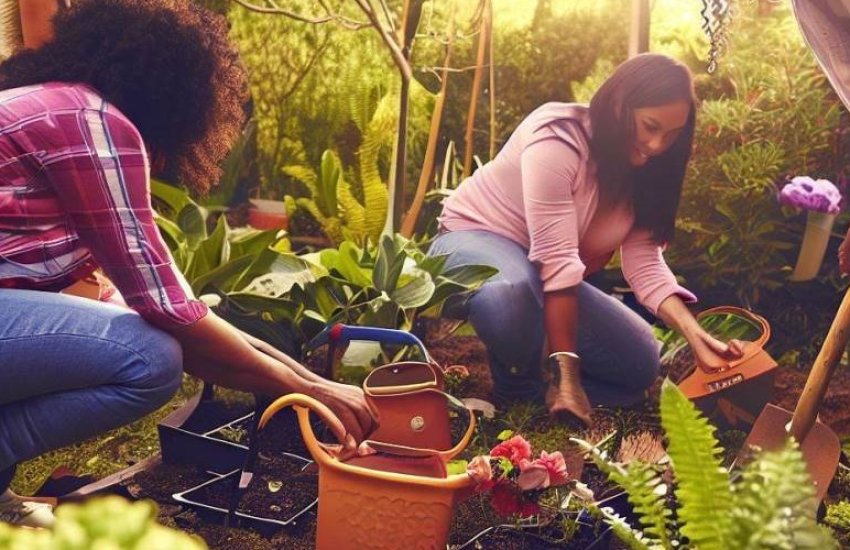
With just a bit of practical knowledge and the right tools, anyone can create a lush, vibrant garden space. Whether you're tending to houseplants, nurturing a vegetable patch, or crafting a backyard oasis, understanding a few fundamental tips can simplify the entire process. At GardenBotany.com, we're here to guide you every step of the way, making gardening enjoyable, stress-free, and accessible for everyone, from complete beginners to seasoned gardeners looking to perfect their green thumbs.
Latest Gardening Posts and Plant Care Tips
-

How to Compost Pine Needles and Avoid Acid Issues?
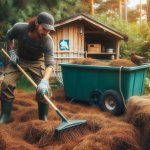
If you live near pine trees, you know the struggle: fallen pine needles seem to be everywhere! While they might look like a nuisance, these needles are actually a fantastic resource for your compost pile. They're free, abundant, and packed with carbon. However, a common concern for gardeners is the belief that pine needles are too acidic for compost and will make your garden soil too sour. Good news! You absolutely can compost pine needles, and with a few simple strategies, you can avoid acid issues in your finished compost. This guide will show you how to turn that mountain of needles into valuable "black gold" for your garden.
-
How to Compost Coffee Filters Without Issues?
For many of us, the morning ritual isn't complete without a fresh cup of coffee. But after the brew, what happens to the grounds and, more importantly, the coffee filter? Tossing them in the trash feels wasteful, especially if you're trying to live a more sustainable lifestyle. The good news is, you absolutely can compost coffee filters! They're a fantastic addition to your compost pile, but knowing a few tips can help them break down smoothly without issues. This guide will walk you through the simple steps to effectively compost coffee filters, turning your morning brew waste into garden gold.
-
Can You Compost Cardboard Boxes? A Simple Guide
If you're an avid online shopper or just a regular household, you probably have a mountain of cardboard boxes piling up. While recycling is great, an even better option for your garden (and the environment!) is to learn how to compost cardboard boxes. Yes, you absolutely can! Cardboard is a fantastic addition to your compost pile, offering valuable carbon and structure. This guide will walk you through everything you need to know about composting cardboard, turning those bulky boxes into nutrient-rich "black gold" for your plants.
-
Advertisement
-
Best Practices for Composting in Wet Climates
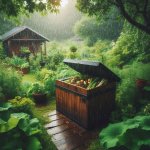
Composting is a fantastic way to turn kitchen scraps and yard waste into valuable garden amendments. But if you live in a wet climate, your composting journey might hit a few soggy bumps. Constant rain can turn your compost pile into a slimy, anaerobic mess that smells bad and decomposes slowly. Don't despair! With the right composting practices and clever adjustments, you can successfully create rich, healthy compost even in the dampest conditions. This guide will reveal the best practices for composting in wet climates, ensuring your efforts yield fantastic "black gold" every time.
-
The Science Behind Composting: Understanding Microbes
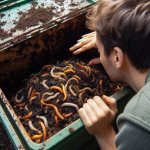
You toss kitchen scraps and yard waste into a bin, give it a stir now and then, and eventually, it magically transforms into rich, dark "black gold." But what exactly is that magic? The true heroes of your compost pile are an invisible army of tiny organisms: microbes. Understanding the science behind composting, especially the roles of these incredible compost microbes, is the key to creating healthier, faster, and more efficient compost. It’s like being a chef, but for tiny soil workers!
-
How to Deal with Maggots in Your Compost Bin?
You eagerly open your compost bin, expecting to see rich, earthy goodness, and instead, you're met with a wriggling mass of white. Ugh! Maggots in your compost bin can be an unpleasant surprise, sparking a mix of disgust and concern. While they might look alarming, maggots are actually common in certain composting conditions. The good news is they're not harmful to your compost (in fact, some are beneficial!), but they do signal that your bin's conditions might need a tweak. This guide will help you understand why maggots appear in compost and, more importantly, how to deal with maggots in your compost bin effectively.
-
How to Make Hot Compost in 30 Days or Less?
You can make hot compost in 30 days or less by balancing carbon and nitrogen materials, maintaining optimal moisture, and turning the pile frequently. This accelerated process relies on microbial activity fueled by the right conditions.
-
Can You Compost Weeds Without Spreading Seeds?
You've spent hours meticulously weeding your garden, pulling up pesky dandelions, crabgrass, and bindweed. Now what? Tossing them in the trash feels wasteful, but adding them to your precious compost pile raises a scary question: Can you compost weeds without spreading seeds all over your garden later? It's a valid concern, and the answer is a cautious yes! With the right composting methods and some smart strategies, you can turn those unwanted plants into valuable "black gold" without creating a future weed nightmare.
-
How to Speed Up Decomposition in a Compost Tumbler?
A compost tumbler is a fantastic tool for any gardener. It takes the hard work out of turning your compost pile, and if used correctly, it can churn out rich, beautiful "black gold" (finished compost) much faster than a traditional static pile. But sometimes, tumbling isn't enough, and your compost seems to just sit there. If you're wondering how to speed up decomposition in a compost tumbler, you've come to the right place! This guide will unlock the secrets to creating hot, active compost and getting usable soil amendment in weeks, not months.
-
How to Layer a Compost Bin for Maximum Efficiency?
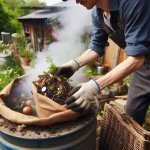
Composting is like magic for your garden. It turns kitchen scraps and yard waste into rich, dark "black gold" that feeds your plants and improves your soil. But sometimes, a compost pile can be slow, smelly, or just not work right. The secret to making fantastic compost quickly and easily? Layering your compost bin for maximum efficiency! This isn't just about throwing stuff in; it's about giving your compost pile the right ingredients in the right order.